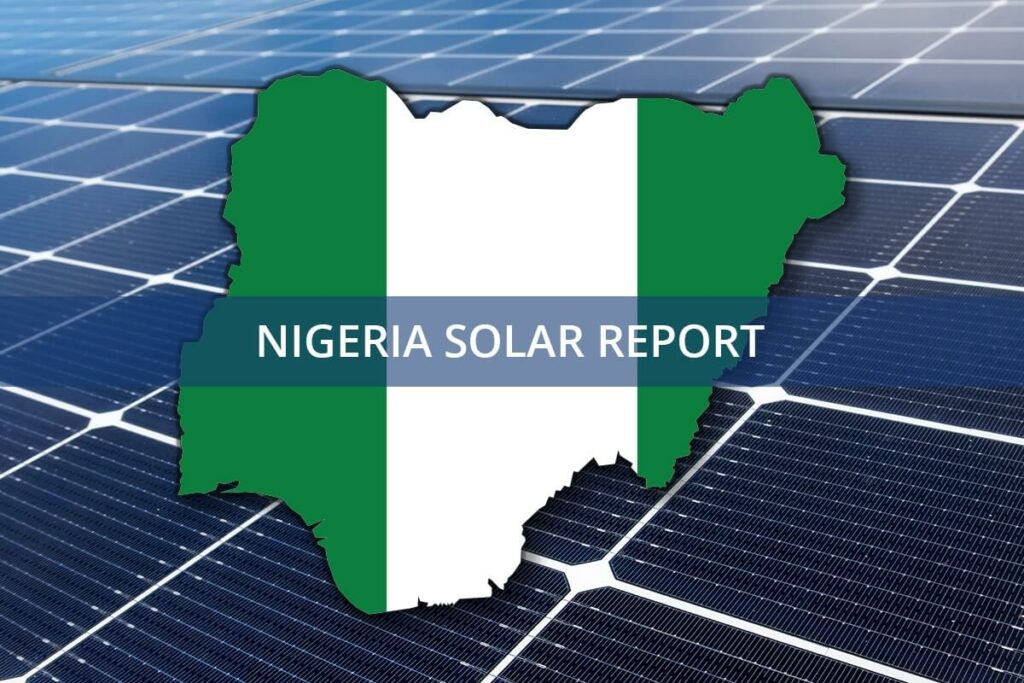
Modibbo Adama University (MAU) in Yola is launching a significant initiative to power its campus with renewable energy, joining a global trend of higher education institutions seeking sustainable and reliable power solutions. The university plans to develop its own solar power system to counteract severe economic pressures and an unreliable public power supply, according to Vice-Chancellor Professor Abdullahi Tukur.
The decision comes as Nigerian universities face mounting operational challenges. Speaking at a press briefing marking the conclusion of his five-year term, Professor Tukur highlighted that the removal of fuel subsidies, currency fluctuations, and soaring energy costs have made reliance on the national grid untenable. “The soaring expenses associated with delivering fundamental services and utilities are significantly affecting the institution,” he stated, warning that without intervention, “most, if not all universities, might struggle to supply power and water.” This move aims to ensure the university can provide consistent, round-the-clock power to its community.
The project will feature the installation of a five-megawatt photovoltaic farm on a designated portion of the campus. According to The Nation, contracts have already been awarded, and both contractors and consultants have been granted access to the site to begin work. This ambitious project is being developed as part of a program spearheaded by Nigeria’s Rural Electrification Agency (REA) with financial backing from the Africa Development Bank (AfDB) and other partners.
MAU’s transition to clean energy aligns with a broader national strategy. In 2016, the Nigerian government launched the Energising Education Programme (EEP) through the REA to provide 37 federal universities with reliable, off-grid power, primarily from solar sources. With a US$105 million investment from the World Bank, the EEP aims to foster sustainable development, enhance campus security with solar street lighting, and improve research capabilities across the country.
The EEP is being implemented in phases and has already shown considerable success. The first phase saw nine universities, including the University of Lagos and Obafemi Awolowo University, transition to solar hybrid or gas-fired power plants. The federal government initiated the second phase in September 2023, extending the solar power project to another 12 federal universities and seven teaching hospitals. MAU’s new solar farm represents a key step in this ongoing national effort to ensure Nigeria’s educational institutions are powered by sustainable and resilient energy sources.
Sources
- Solar Farm Ceremony Marks Milestone for Loyola University …
- Tallest solar-integrated building in North America wins Clean50 Award
- Yola varsity set to power campus activities with solar energy
- 2024 Sustainable Campus Index
- Loyola University Maryland Signs Renewable Energy Agreement …