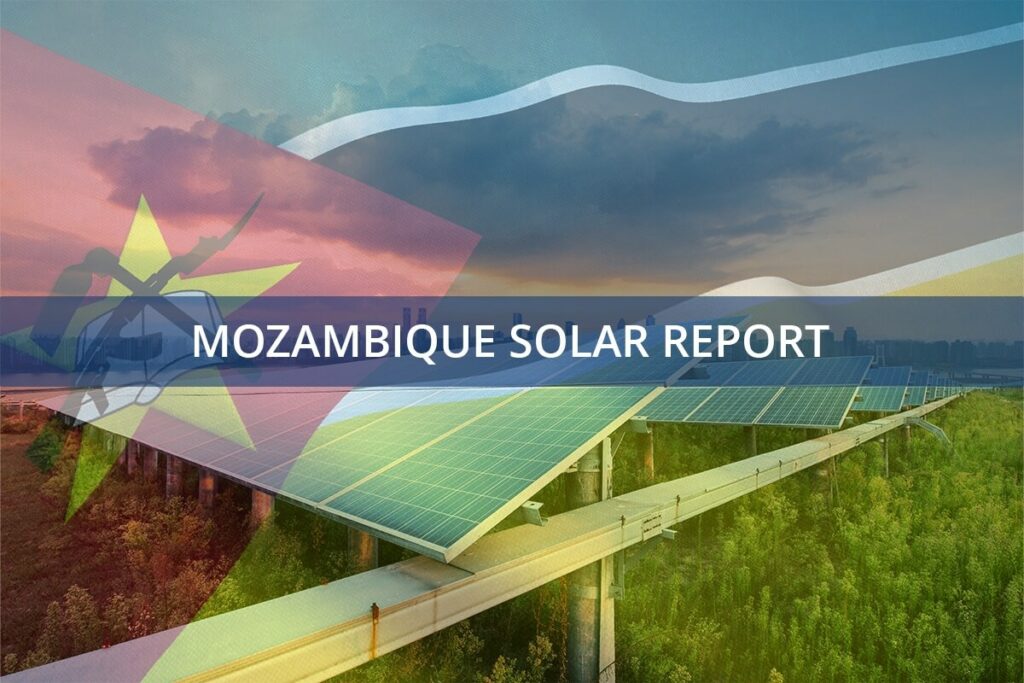
Mozambique is strategically expanding its energy access by decentralizing renewables, with a significant focus on solar power. This forward-thinking approach aims to provide reliable and sustainable electricity to its entire population, particularly those in remote rural areas. By doing so, the nation is not just illuminating homes but also improving livelihoods and creating a foundation for robust economic growth.
A Strategic Shift Towards Universal Access with Mozambique renewable energy
Mozambique has set an ambitious goal: universal electricity access for its population by 2030. Recognizing that extending the traditional grid to every corner of the country is a slow and costly process, the government is embracing decentralized solutions. This pivot is enshrined in key policy reforms, including a new Electricity Law passed in 2022 and a comprehensive Energy Transition Strategy adopted in 2023.
These off-grid solutions, primarily solar-based, are already making a substantial impact, accounting for 10% of the current national energy access rate. To accelerate this progress, the government is actively seeking investment and launching targeted projects. A prime example is the recent solar tender for decentralised solar and battery storage systems, designed to bring power to underserved communities. This initiative is a clear signal of the country’s commitment to leveraging modern technology to close the energy gap.
The Benefits of a Decentralized Grid for Mozambique renewable energy
The move towards localized renewable energy systems offers a multitude of advantages that extend far beyond simple electrification.
Improving Livelihoods and Climate Resilience with Mozambique renewable energy
For people in rural areas, access to reliable electricity is life-changing. It powers schools and health clinics, enables small businesses to operate after dark, and improves agricultural productivity. Initiatives that support decentralized solar PV and battery storage are crucial for this transformation. Furthermore, by reducing reliance on fossil fuels, Mozambique is strengthening its resilience to climate change and contributing to global sustainability efforts. This strategy is also being discussed regionally, with neighboring countries like Eswatini also exploring the need for decentralized solar solutions.
Boosting the Local Economy and Industry through Mozambique renewable energy
Beyond consumption, Mozambique’s focus on solar power opens up significant opportunities for local economic development. There is a growing potential to establish a domestic solar industry, from assembly to full-scale production. Understanding the basics of solar panel manufacturing and the complete solar panel manufacturing process is the first step.
Developing this sector would require investment in solar panel manufacturing machines and a stable supply chain for solar panel raw materials. While the initial solar panel manufacturing plant cost breakdown can be significant, the long-term benefits of job creation and energy independence are immense.
Overall, Mozambique’s focus on decentralized renewables is a strategic and pragmatic move. It is a clear pathway toward achieving sustainable, universal energy access and fostering a more resilient and prosperous future for all its citizens.
To learn more about the intricacies of setting up a solar manufacturing business, you can explore our free e-course on solar panel manufacturing.