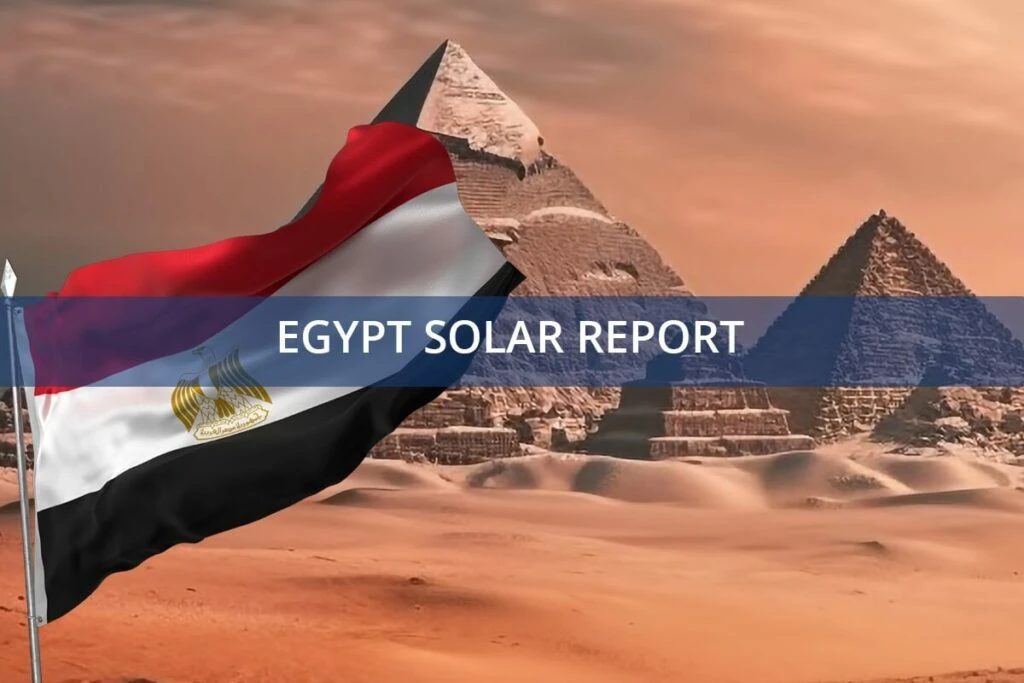
Egypt is poised for a significant leap in its renewable energy capabilities, with plans to bring 2 gigawatts (GW) of new solar and wind capacity online by the end of 2025. The Ministry of Electricity and Renewable Energy has confirmed that these ambitious projects, split evenly with 1,000 MW from solar and 1,000 MW from wind, are on schedule to bolster the nation’s green energy portfolio.
Egypt’s Renewable Energy Plan Initiatives
This expansion is a cornerstone of Egypt’s updated Integrated Sustainable Energy Strategy (ISES), which aims to diversify energy sources and curb reliance on fossil fuels. By capitalizing on its exceptional solar and wind resources, the country is pushing towards a more sustainable future. The updated national goal is to have over 42% of its electricity mix generated from renewable sources by 2030.
The initiative, announced during the “Egypt’s Energy Future: Challenges and Opportunities” conference in Cairo, signals a clear commitment to transforming the nation’s energy landscape and establishing itself as a regional leader in clean power.
Financing and Investment in Egypt Renewable Energy
The total investment for these large-scale projects is estimated at approximately $8 billion, sourced through a strategic mix of public and private funding from both domestic and international partners. The government is actively fostering an attractive investment climate with infrastructure and regulatory support.
A prime example of this is the massive project to repower the 545 MW Zafarana wind farm, which will see an addition of 1.1 GW of wind and 2.1 GW of solar power at a cost exceeding $2 billion. Understanding the solar panel manufacturing plant cost breakdown helps put the scale of such investments into perspective. Furthermore, the government has granted a “golden licence” to Masdar for its 200 MW wind project in the Gulf of Suez, streamlining development and signaling strong support for foreign investment.
This renewable energy boom is also a significant driver of economic growth, projected to create 5,000 jobs during the construction phase and an additional 1,000 long-term positions for operation and maintenance.
Environmental Benefits of Egypt Renewable Energy
The environmental impact of these projects will be profound. By displacing fossil fuel-based power generation, the new solar and wind farms are expected to cut Egypt’s annual greenhouse gas emissions by an estimated 10 million tons.
The sheer volume of solar panels required for 1,000 MW of new capacity highlights the importance of an efficient supply chain. Each panel is the result of a detailed solar panel manufacturing process, which transforms specific solar panel raw materials into a clean energy-generating device. Beyond reducing CO2, these projects will improve local air quality and conserve precious water resources, as solar and wind power plants require significantly less water than their thermal counterparts.
Impact on Egypt’s Energy Sector with Renewable Energy
The expansion of renewable capacity is set to revolutionize Egypt’s energy sector. These new projects will significantly reduce the nation’s dependence on imported fossil fuels, thereby enhancing energy security and insulating the economy from volatile global energy prices. Moreover, as renewable energy becomes increasingly cost-competitive, these developments are expected to lower the overall cost of electricity generation, a benefit that will ultimately be passed on to consumers.
By demonstrating a firm commitment to clean energy, Egypt is also boosting its competitiveness and potential as a future energy exporter. This clear strategic direction makes the country an increasingly attractive destination for foreign capital and technological partnerships, solidifying its role in the global energy transition. Understanding the basics of solar panel manufacturing is becoming essential for investors looking to enter this growing market.
Future Projects for Egypt Renewable Energy
The momentum is set to continue beyond 2025. The Ministry of Electricity and Renewable Energy has already laid the groundwork for future developments, with plans to bring an additional 3 GW of solar power online next year. This sustained pipeline of projects ensures that Egypt will remain on track to meet its ambitious 2030 targets. The ability to scale up production to meet this demand relies on advanced solar panel manufacturing machines capable of high-volume output.
This continued expansion is a major step forward for the country. The new projects will not only help Egypt achieve its renewable energy goals and reduce its carbon footprint but will also create lasting economic benefits through job creation and foreign investment.
If you are interested in learning more about how solar panels are made, from the factory floor to final installation, consider exploring our free e-course on the topic.