Recent reports have detailed a significant partnership between SoftBank Corp. and Next Energy & Resources, centering on a purported ¥28 billion (approx. US$190 million) plan to develop a new generation of solar parks. However, a review of credible financial disclosures and recent company activities indicates that while SoftBank remains a major player in renewable energy, its current strategic investments are heavily focused on powering AI data centers rather than this specific solar park initiative.
Evaluating the Proposed Hokkaido Project After SoftBank solar investment: ¥28 Billion Powers Unique Parks
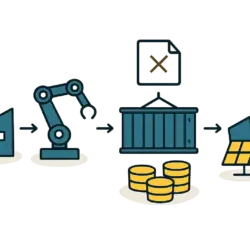
The widely circulated plan outlines an ambitious collaboration, with SoftBank reportedly investing to commercialize Next Energy’s advanced photovoltaic (PV) technology by 2027. The centerpiece of this unconfirmed venture is a 300-megawatt solar park in Hokkaido, which would serve as a showcase for innovative, lightweight, and flexible solar panels. These panels would theoretically simplify installation logistics, a critical factor when considering the typical cost structure of a solar manufacturing plant.
According to the reports, the project was to receive ¥14 billion in subsidies from Japan’s Green Innovation Fund, with SoftBank providing ¥17 billion in loans. The technology in question includes high-efficiency modules and automated cleaning systems designed to maximize energy output. The success of the 300 MW facility was slated to be followed by an even larger 400 MW park, marking a significant step in Japan’s energy transition.
SoftBank’s Verified Renewable Energy Focus
In contrast to the solar park reports, primary sources and recent announcements from SoftBank’s energy arm, SB Energy, highlight a strategic pivot towards supplying massive amounts of power for the burgeoning AI industry. Verified investments, including substantial equity funding rounds, are being directed towards energy infrastructure to support large-scale AI data centers. This confirmed strategy suggests SoftBank’s capital is currently allocated to a different, albeit related, segment of the green energy market.
Next Energy & Resources, founded in 2003, is known for its advanced photovoltaic manufacturing process, which utilizes specialized solar panel components to create its flexible panels. While a partnership to scale such technology would be transformative, verifiable evidence of this specific ¥28 billion solar park deal remains elusive in official company reports.
The Future of Large-Scale Solar Development
Regardless of the specifics of this single project, the underlying technological concepts are shaping the industry’s future. The push for more efficient, easier-to-install solar solutions is a constant driver of innovation. Understanding the fundamentals of solar panel production is crucial for appreciating the challenges and opportunities in deploying renewable energy at scale. As corporations like SoftBank align their energy investments with high-demand sectors like AI, the landscape for renewable projects will continue to evolve.
For industry professionals and enthusiasts looking to stay ahead of these trends, gaining deeper knowledge is key. Resources such as a complimentary e-course on solar energy can provide a comprehensive foundation for understanding the forces driving the global transition to sustainable power.
Sources
- OpenAI, SoftBank invest $1 billion in Stargate partner SB …
- SoftBank Group Report 2025
- Japan AI Infrastructure: Asia’s Largest Economy Awakens | Introl Blog
- SB Energy secures $1 billion from OpenAI and SoftBank for …
- SB Energy Tapped for Proposed 9.2‑GW Ohio Gas …
- SoftBank Corp. Integrated Report 2025
- TRUMP EFFECT: A Running List of New U.S. Investment in …