Malaysia renewable energy corridor Launches $6 Billion Project for a Greener Future
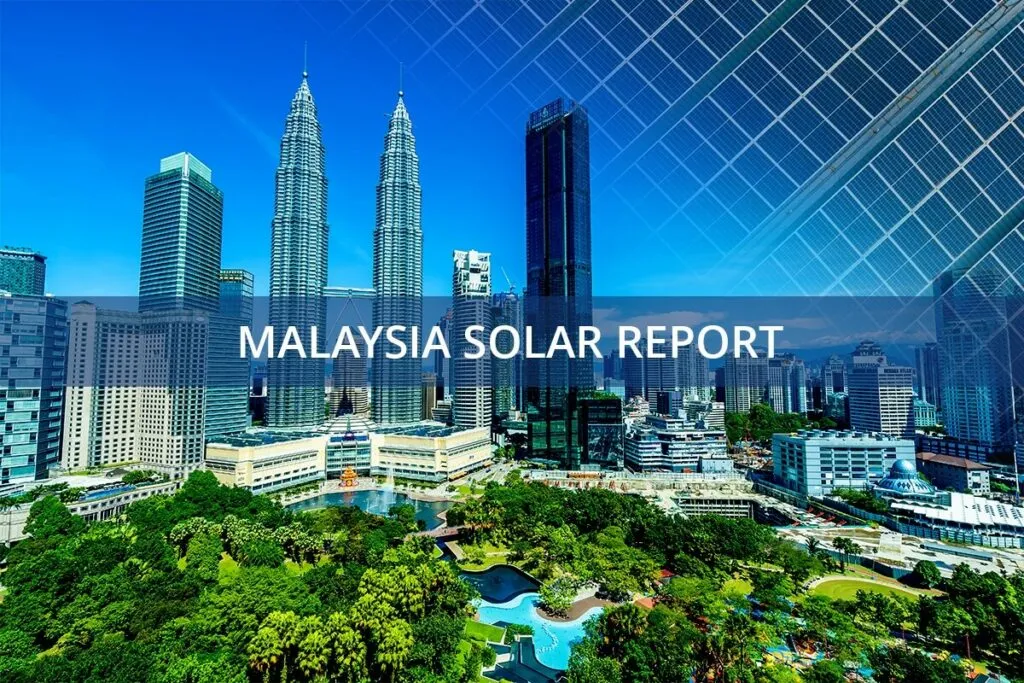
Malaysia is taking a monumental step in its green energy transition, partnering with the World Bank Group’s International Finance Corporation (IFC) and local partner Ditrolic Energy to develop a landmark $6 billion renewable energy corridor. Contrary to initial reports, this ambitious project, known as the Southern Johor Renewable Energy Corridor (SJREC), will be located in Johor, not Sarawak. This initiative is a cornerstone of Malaysia’s strategy to achieve its net-zero emissions goal by 2050, focusing on comprehensive policy reforms, massive infrastructure development, and enhanced regional energy integration.
A Project of Unprecedented Scale: The Malaysia renewable energy corridor
The SJREC is not just another solar farm; it is a vision for a large-scale clean energy hub. The project is set to become a powerhouse of solar and battery storage, with an initial phase targeting up to 4 gigawatts peak (GWp) of solar capacity and over 5 gigawatt-hours (GWh) of energy storage. To put this into perspective, such a facility requires a sophisticated understanding of the basics of solar panel manufacturing and a significant investment, the scale of which can be better understood by looking at a typical solar panel manufacturing plant cost breakdown. This development will supply reliable, clean power to industries, manufacturers, and a growing number of data centers in the region.
Powering Economic Growth and Regional Cooperation via Malaysia renewable energy corridor
Strategically located within the Johor–Singapore Special Economic Zone (JS-SEZ), the SJREC is designed to be an economic engine. The project is expected to create approximately 125,000 jobs across its construction and operational phases, providing a significant boost to the local economy.
Beyond its national impact, the corridor is a key enabler of regional energy security. It will facilitate renewable electricity exports to neighboring Singapore, supporting the broader ASEAN Power Grid initiative, which aims for greater energy connectivity across Southeast Asia by 2045. The sheer volume of panels required for this undertaking underscores the complexity of the modern solar panel manufacturing process, from sourcing raw materials to final assembly.
A Global Effort with Local Relevance: The Malaysia renewable energy corridor
For homeowners and tenants in Germany, a project of this magnitude in Southeast Asia might seem distant, but it is deeply connected to the global climate effort. While Germany has championed decentralized renewable energy through policies encouraging rooftop solar and “Balkonkraftwerke” (balcony power plants), Malaysia’s approach with the SJREC highlights the critical role of utility-scale projects in decarbonizing heavy industry—a challenge all developed nations face.
Both centralized and decentralized strategies are essential for a successful global energy transition. Projects like the SJREC provide a blueprint for powering industrial zones with clean energy, offering valuable insights for countries everywhere. The immense logistical effort, from securing solar panel raw materials to deploying advanced solar panel manufacturing machines, demonstrates a commitment that resonates with global climate ambitions.
This initiative in Johor is a powerful statement, positioning Malaysia as a future leader in Southeast Asia’s clean energy landscape. It showcases how targeted investment and international collaboration can accelerate the transition to a sustainable, low-carbon future.
To learn more about the technology that makes such incredible projects possible, from massive energy corridors to residential installations, we invite you to explore our free e-course.