SWISS Takes Flight with First-Ever Solar Kerosene
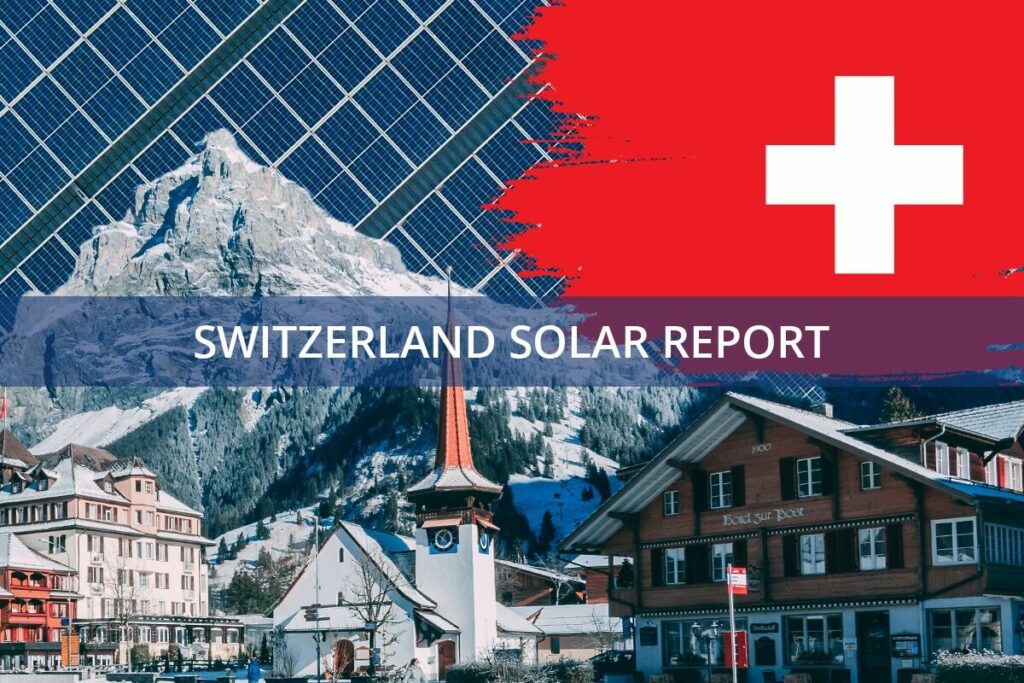
In a landmark moment for aviation sustainability, Swiss International Air Lines (SWISS) has become the world’s first airline to integrate solar aviation fuel into its regular flight operations. This achievement stems from a strategic partnership announced in March 2022 with clean energy pioneer Synhelion. While the initial goal was to begin use in 2023, the collaboration reached a critical milestone when Synhelion delivered its first batch of solar fuel, marking a tangible first step toward decarbonizing air travel through breakthrough technology.
The Science of ‘Sun-to-Liquid’ Fuel
At the heart of this innovation is Synhelion’s unique ‘sun-to-liquid’ process, which transforms concentrated solar energy into a synthetic, carbon-neutral kerosene. The technology uses vast mirror arrays to focus solar heat, generating extreme temperatures to drive a thermochemical reactor. This reactor converts water and captured CO2 into a synthesis gas, or syngas, which is then processed into liquid fuel. The resulting solar kerosene is a ‘drop-in’ fuel, fully compatible with existing aircraft and airport fueling infrastructure. Unlike some biofuels, this advanced production method avoids using agricultural feedstock, thereby preventing competition with food production.
From German Facility to SWISS Aircraft
The first-ever batch of solar synthetic crude—a 190-liter barrel—was produced at Synhelion’s DAWN facility in Jülich, Germany. After being refined and blended into standard Jet A-1 fuel, it was successfully integrated into SWISS’s operations at Hamburg Airport. SWISS CEO Jens Fehlinger hailed the event as a significant milestone. While this initial delivery serves as a powerful proof of concept, the company is targeting 2027 for broader commercial offerings as it works to scale production. The success of the DAWN plant demonstrates the practical application of the fundamentals of solar technology and the sophisticated manufacturing equipment required to bring this vision to life.
A Long-Term Strategy for Decarbonization
The collaboration is built on a long-term agreement that provides Synhelion with the necessary planning security to expand its production capacity. Scaling such a novel technology requires significant capital, underscoring the importance of strong solar project financing and detailed planning, much like the financial modeling for a new solar facility. For SWISS, this commitment is a cornerstone of its environmental strategy and aligns with Switzerland’s ambitious solar energy goals, setting an industry benchmark for investing in sustainable aviation fuels (SAFs).
The Future of Solar-Powered Aviation
The SWISS and Synhelion partnership is poised to accelerate the adoption of solar fuels across the aviation sector. As production scales, efficiency gains are expected to optimize the cost breakdown of plant operations, making solar kerosene a more accessible alternative for other airlines. Overcoming the logistical hurdles of a global rollout, similar to the supply chain challenges faced by a landlocked solar components producer, will be crucial. This pioneering initiative demonstrates a clear pathway for the industry’s ambitious goal of achieving net-zero emissions and represents a significant leap towards a cleaner future for air travel.
To learn more about the complexities of bringing solar technologies from concept to mass production, explore this free e-course on solar manufacturing.
Sources
- SWISS becomes first airline to integrate Synhelion’s solar fuel into its …
- SWISS to be the world’s first airline to use Synhelion solar fuel
- SWISS to power aircraft with ‘sun-to-liquid’ fuel in 2023 – AeroTime
- Airline SWISS to run flights on solar aviation fuel from 2023
- SWISS becomes first airline to fly with Synhelion’s solar jet fuel
- New collaboration sets SWISS to become first customer in 2023 for …
- SWISS integrates first supplies of Synhelion solar SAF into flight …
- Flying with kerosene made from sunlight – SWISS