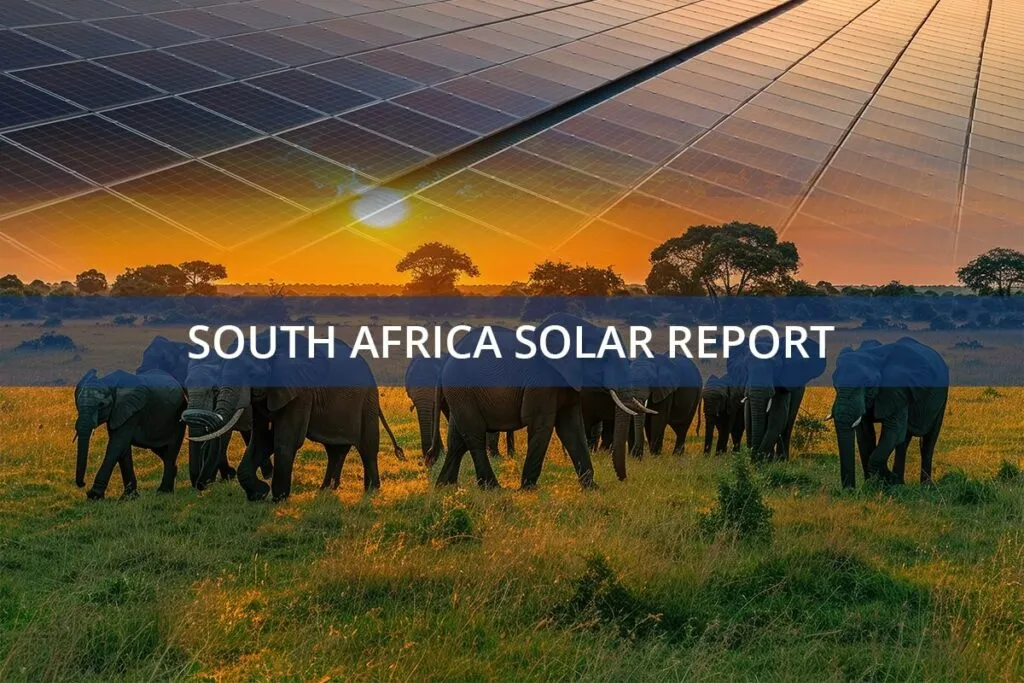
South Africa’s transition to renewable energy is taking a significant leap forward, with new data revealing a robust pipeline of projects poised to reshape the nation’s power landscape. According to the 2025 South African Renewable Energy Grid Survey (SAREGS 2025), the country has 72 gigawatts (GW) of renewable energy projects in advanced stages of development. This impressive figure, comprising solar, wind, and battery storage initiatives, underscores a tangible commitment to overcoming long-standing energy challenges and building a sustainable grid.
A Deep Dive into the SAREGS 2025 Findings on Eskom renewable energy: Impressive 72GW Pipeline by 2025
The 72 GW of advanced-stage projects are classified as ready for grid connection within approximately seven years, marking a critical mass of developments moving from planning to execution. This represents a mature portfolio that significantly surpasses previous policy targets. The survey highlights the incredible momentum in the sector, noting that the total planned renewable capacity has surged to 220 GW in 2025, a dramatic increase from 63 GW in 2022 and 134 GW in 2024.
Within the 72 GW pipeline, wind power is a major contributor, with 17 GW of projects identified as “shovel-ready.” This large-scale readiness is a cornerstone of the nation’s broader energy strategy, which forms part of a massive $127 Billion Plan for South Africa clean energy. This plan is designed to diversify the energy mix and reduce dependence on an aging coal fleet, supported by targeted South Africa energy investments into grid infrastructure and utility stability.
The Evolving Energy Landscape and Eskom’s Role in Eskom renewable energy: Impressive 72GW Pipeline by 2025
This surge in renewable capacity signals a fundamental shift in South Africa’s energy market. While Eskom continues to manage the national grid, the growth is increasingly driven by private sector investment, as commercial and industrial users seek reliable power sources. Eskom’s primary challenge now is to ensure the grid can successfully integrate this vast new capacity, a task critical for the nation’s energy security.
The government is fostering this transition through various mechanisms, including attractive South Africa solar incentives that encourage private and public participation. The successful implementation of these projects is expected to not only stabilize the power supply but also attract significant foreign and domestic investment, fostering economic growth and job creation.
Building a Local Green Economy with Eskom renewable energy: Impressive 72GW Pipeline by 2025
Looking ahead, the development of this 220 GW planned pipeline presents a monumental opportunity to build a local green manufacturing industry. As demand for components grows, so does the potential for domestic production. This could spur investment into understanding the basics of solar panel manufacturing and mastering the complex solar panel manufacturing process. With the right support, South Africa could develop a supply chain for key solar panel raw materials and invest in the necessary solar panel manufacturing machines. Investors will be closely analyzing the solar panel manufacturing plant cost breakdown to identify viable opportunities, paving the way for a self-sufficient and resilient energy sector.
As South Africa charts its course toward a cleaner energy future, these developments represent more than just megawatts; they signify a strategic pivot towards long-term sustainability and economic vitality. For those interested in the technical side of this boom, a free e-course on solar panel manufacturing offers a great starting point.
Sources
- Roundup of major energy and electricity news and developments in …
- Electricity and Control December 2025-January 2026
- South Africa sets out details for 7.2GW of additional gas-fired capacity
- Powering Africa’s Renewable Transition – Crown Publications
- Technical Review of South Africa Integrated Resource Plan – DMRE
- Grid Modernisation as the Catalyst for South Africa’s Solar Revolution
- South African Power Utility Emerges from the Dark
- Operation Vulindlela Progress Report – National Treasury