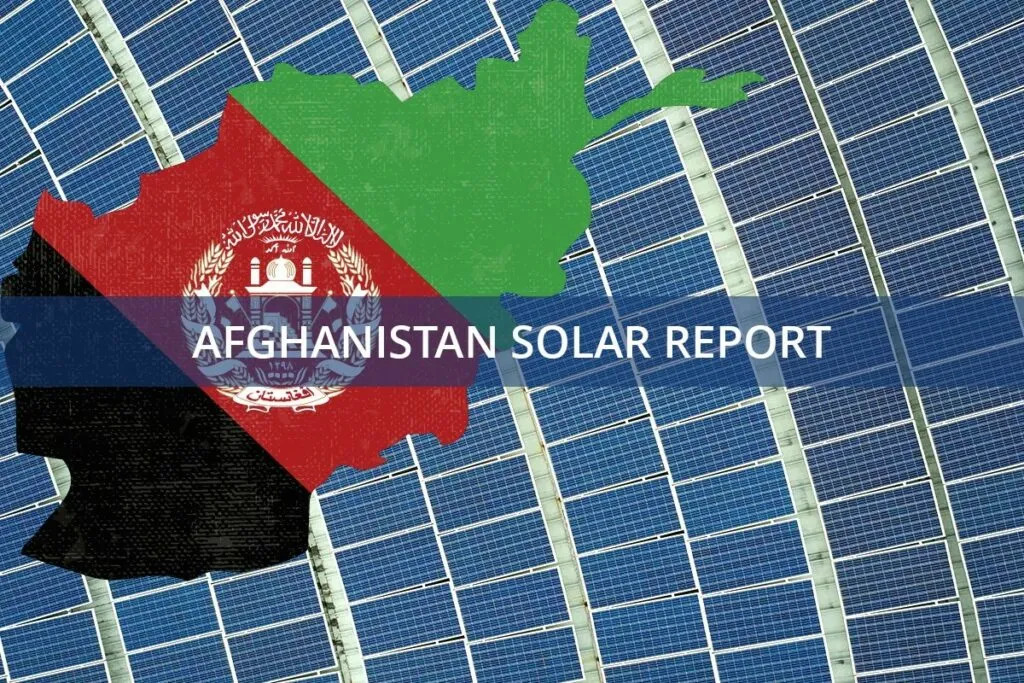
Afghanistan to Boost Power Supply with 22.75 MW Afghanistan solar plant
Afghanistan is taking a significant step toward enhancing its national energy infrastructure with the announcement of a new 22.75 MW solar plant project. According to the Government Media and Information Center (GMIC), this initiative is designed to boost the national power supply, marking a crucial move in the country’s pursuit of energy security and economic stability.
This development is particularly vital for a nation that has historically relied heavily on imported electricity. With over 75% of its power coming from neighboring countries, developing domestic renewable energy sources is a strategic priority. This project represents a clear commitment to harnessing Afghanistan’s abundant solar potential to create a more resilient and self-sufficient energy grid, as detailed in the Afghanistan Solar Panel Manufacturing | Market Insights Report.
A Strategic Move for Energy Security with Afghanistan solar plant
The announcement of the 22.75 MW solar plant signals a concerted effort by the government to diversify its energy mix. While specific details regarding the project’s location and timeline are forthcoming, its capacity is substantial enough to make a tangible impact on the national grid. This initiative is part of a broader strategy to expand electricity access across the country, which includes not only generation but also transmission infrastructure.
This holistic approach is essential for ensuring that the generated power reaches homes and businesses effectively. By investing in renewable energy projects like this, Afghanistan aims to reduce its vulnerability to external energy supply fluctuations and foster sustainable economic growth.
Building on a Foundation of Solar Initiatives in Afghanistan solar plant
This 22.75 MW project is not an isolated effort but rather the latest in a series of solar energy developments across Afghanistan. The country has been steadily laying the groundwork for a renewable energy future through various large and small-scale initiatives.
For instance, this project follows other major investments, including the construction of an essential 40 MW solar project in Herat Province designed to address regional energy shortages. Similarly, Afghanistan has seen the successful launch of a major solar power project in Logar province, further demonstrating the country’s capacity to execute significant renewable projects.
Beyond these large-scale plants, the strategy also includes decentralized energy solutions. A notable example is the agreement for 8 MW solar projects across three different provinces, aimed at electrifying thousands of families in more remote areas. These combined efforts highlight a comprehensive national strategy to leverage solar power for widespread development.
The Path to a Sustainable Energy Future with Afghanistan solar plant
Successfully implementing these solar projects is a crucial step, but building a truly sustainable energy sector requires developing a domestic industry. This involves fostering local partnerships to build local expertise and create long-term economic value.
Developing a local solar industry is a complex undertaking that requires a deep understanding of the basics of solar panel manufacturing. It encompasses the entire solar panel manufacturing process, from sourcing high-quality solar panel raw materials to operating sophisticated solar panel manufacturing machines. Furthermore, a clear grasp of the financial aspects, such as a detailed solar panel manufacturing plant cost breakdown, is essential for attracting investment and ensuring project viability.
The 22.75 MW solar plant is a powerful symbol of Afghanistan’s progress. It represents not only an increase in electricity generation but also a step towards a brighter, more sustainable, and energy-independent future for the nation.
To gain a deeper understanding of the technical and business aspects of launching a solar venture, explore our free e-course.