Kazakhstan’s Renewable Energy Growth: Surpassing Goals in 2025
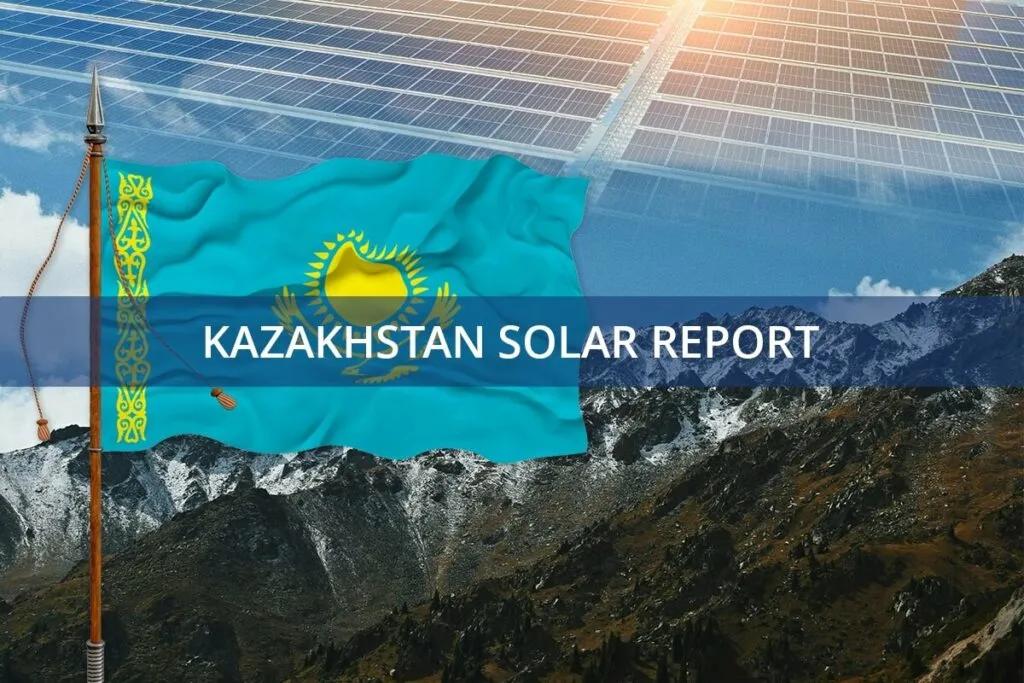
Kazakhstan’s renewable energy sector has reached a pivotal milestone in 2025, with clean energy sources now accounting for over 7% of the country’s total electricity generation. This significant achievement, confirmed by reports from the International Energy Agency (IEA) and other key energy trackers, underscores the nation’s determined stride towards a sustainable and diversified energy future.
This progress represents a consistent and accelerating upward trend. The share of renewable energy in Kazakhstan’s total electricity production has climbed steadily, rising from 3.6% in 2021 to 4.5% in 2022, and now surging past the 7% mark. This growth is not accidental but the result of strategic planning, substantial investment, and the harnessing of the country’s vast natural potential.
Drivers of Kazakhstan Renewable Energy Growth
The expansion of clean energy, particularly solar power, in Kazakhstan is driven by a powerful combination of factors. The country is blessed with abundant sunshine, averaging between 2,200 to 3,000 hours of sunlight per year, making it an ideal landscape for photovoltaic projects.
This natural advantage is bolstered by supportive government policies, including feed-in tariffs, tax incentives, and preferential loans for renewable energy projects. These measures have successfully attracted significant domestic and international investment. The tangible results of this strategy were evident throughout 2025, with construction starting on major projects like a new 300 MW solar plant in the Turkestan region, alongside numerous smaller solar and wind developments that have contributed to the rising share of renewables in the national grid. Understanding the financial viability of such large-scale projects is key, and it often involves a detailed solar panel manufacturing plant cost breakdown to secure investment.
A Regional Shift Towards Kazakhstan Renewable Energy Sustainability
Kazakhstan’s progress is a leading example of a broader green transition occurring across Central Asia. The region is witnessing increased industrial and policy activity, with international developers like Masdar actively investing in clean power capacity. Neighboring countries are also making strides; for instance, Tajikistan is advancing its hydropower capabilities, and there is growing interest in the solar potential across the region, as detailed in the Kyrgyzstan Solar Panel Manufacturing Report. This collective movement positions Central Asia as an emerging hub for renewable energy, a trend that aligns with the findings of the latest Global Solar Report.
In addition to solar, Kazakhstan is expanding its capacity in wind and hydropower. The country has set ambitious targets for the future, aiming to increase the share of renewables in its energy mix to 15% by 2030 and 50% by 2050. This transition is crucial as Kazakhstan, one of the world’s largest producers of oil and gas, strategically diversifies its energy portfolio to enhance long-term energy security and address the challenges of climate change. This forward-looking approach is especially timely, given the IEA’s projections that global coal demand is likely to plateau and begin declining.
Economic and Technological Horizons for Kazakhstan Renewable Energy
The expansion of renewable energy is poised to deliver significant economic benefits. According to the International Renewable Energy Agency (IRENA), the sector could create up to 200,000 new jobs in Kazakhstan by 2030. This growth requires a deep understanding of the technology, from the basics of solar panel manufacturing to the complex solar panel manufacturing machines needed for production.
Furthermore, Kazakhstan’s rich endowment of natural resources provides a unique advantage, potentially allowing it to play a role in the supply chain for solar panel raw materials. While renewables are a primary focus, the nation is also exploring other avenues for energy innovation, including a strategic partnership with Japan to advance its nuclear energy capabilities, ensuring a multi-pronged approach to a secure and low-carbon future.
While achieving the 7% milestone is a landmark success, the path ahead requires sustained effort. Continued growth will depend on ongoing investment in new projects and the development of supporting infrastructure, such as modern transmission lines and energy storage systems.
Despite these challenges, the future of renewable energy in Kazakhstan looks exceptionally bright. With its abundant resources, supportive policies, and growing investment, the nation is firmly on track to become a renewable energy leader in Central Asia and beyond.
To learn more about the intricacies of bringing solar projects to life, from initial concept to full-scale production, consider exploring our free e-course.