Brazil’s Distributed Generation Projects Fast-Tracked to Address Grid Issues
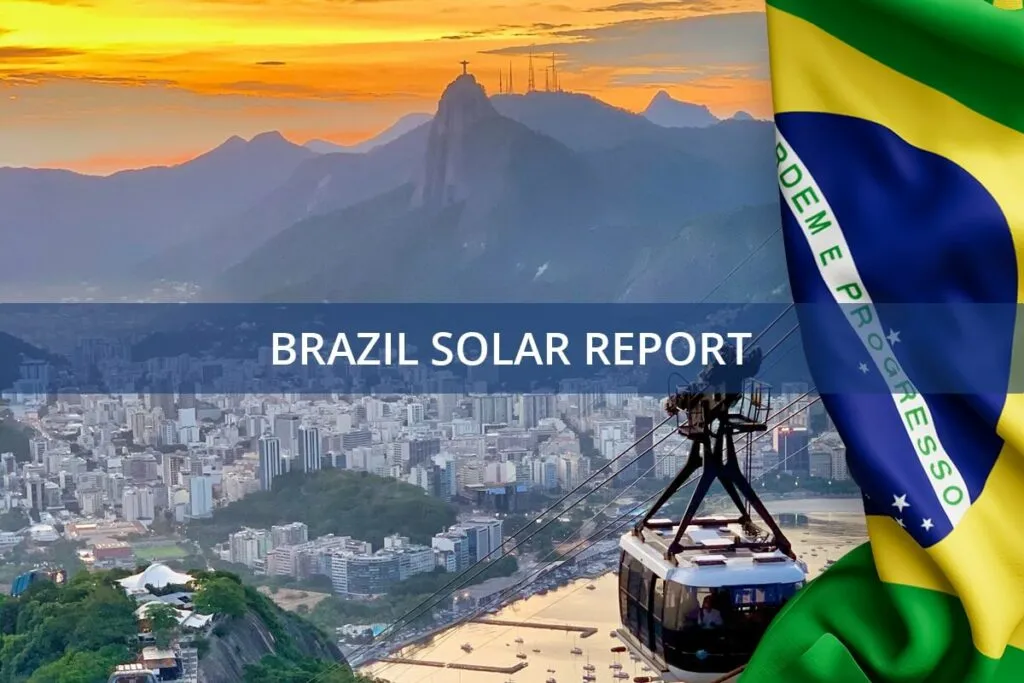
Brazil is taking decisive action to modernize its energy infrastructure by fast-tracking distributed solar generation projects. This strategic move aims to tackle pressing grid challenges and accelerate the integration of renewable energy sources. According to recent reports, nearly 60% of distributed solar projects are expected to meet these new fast-track requirements by 2026, signaling a significant shift in the nation’s energy landscape.
ANEEL’s Push for Grid Stability in Brazil distributed generation
At the heart of this initiative is a new measure approved by Brazil’s National Electric Energy Agency (ANEEL). The primary goal is to address technical obstacles that have hindered the growth of renewables, particularly the issue of “flow reversal” in distribution networks. This phenomenon occurs when an excess of renewable energy flows from consumers back into the grid, creating instability.
The fast-track modality enables quicker connections for solar projects, streamlining the approval process. Enel SP has emerged as a leader among distributors in adopting this approach, setting a precedent for others to follow. This acceleration is a critical component of a broader strategy to enhance grid efficiency through technologies like smart meters, virtual power plants, and Battery Energy Storage Systems (BESS), with notable projects already underway to boost performance in regions like Paranã.
The Role of Distribution Companies and National Targets
Distribution companies are playing a pivotal role in this transition. Firms like Rede Energia are actively forming partnerships with solar and wind projects to better integrate distributed generation. This not only helps stabilize the grid but also creates new revenue streams from wheeling charges—the fees paid for using the distribution network.
Ready to make big Profits?
The solar Industry is Booming
WE HELP NEWCOMERS to the solar industry start their own solar module production line. Customers can make BIG PROFITS by selling modules and finding investors, without wasting money and time on things they don't need!
These companies are reinvesting in smart grid technology to reduce energy losses and manage the increasing penetration of renewables. This aligns perfectly with Brazil’s ambitious national goal of sourcing 50% of its energy from renewables by 2030. Furthermore, these efforts directly counter specific regional challenges, such as the frequency control restrictions that have impacted the grid in Northeastern Brazil.
Supporting Legislative Framework
The push for faster integration is also being supported by legislative action. A draft bill is currently under consideration to amend Law 14.300/2022, also known as the Legal Framework for Distributed Generation. A key proposed change is the elimination of the “Fio B” charge, a tariff component related to the use of the distribution infrastructure. Removing this charge would further reduce barriers and incentivize the widespread deployment of distributed energy projects across the country.
By combining regulatory approvals, technological upgrades, and legislative support, Brazil is creating a robust framework to build a more resilient and modern energy grid. This proactive and multi-faceted strategy not only addresses immediate grid issues but also positions Brazil as a forward-thinking leader in the global transition to renewable energy.