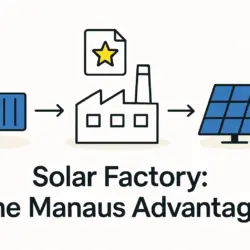
Brazil is advancing its solar energy production by launching the first photovoltaic module factory in Caetité, Bahia. This initiative, led by Casa dos Ventos, is part of a larger project integrating wind and solar energy, thus expanding the country’s renewable energy infrastructure.
The Expansion of Brazil solar wind energy in Caetité
Brazil is making significant strides in solar energy production with the establishment of the first photovoltaic module factory in Caetité, Bahia. This initiative, led by Casa dos Ventos, is part of the larger Serra do Assuruá project, which integrates both wind and solar energy production. With an investment of R$5.8 billion, a figure that highlights the considerable solar panel manufacturing plant cost breakdown for such ventures, this project is set to transform the renewable energy landscape in Brazil. This development is a key part of the nation’s broader energy strategy, which saw Brazil’s total installed solar capacity reach an impressive 41.1 gigawatts (GW) by April 2024.
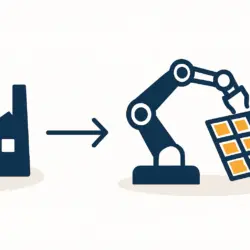
The factory in Caetité is a critical component of the Serra do Assuruá complex, which aims to generate 1,000 megawatts of wind energy and 850 megawatts of solar energy. Understanding the basics of solar panel manufacturing is key to appreciating the scale of this facility. It will produce the 1.5 million solar panels needed for the complex, covering 1,000 hectares. This requires a streamlined supply chain for solar panel raw materials and the use of advanced solar panel manufacturing machines to meet production targets.
Installation of these panels is expected to begin in April, with the entire solar panel manufacturing process set to be completed by the end of the year. The factory is currently in the final stages of construction, with teams working around the clock to ensure timely delivery.
Employment and Economic Impact of Brazil solar wind energy
One of the most significant aspects of this project is the economic impact it will have on the Caetité region. In a video presentation, the president of Casa dos Ventos, Mário Araripe, highlighted the employment opportunities created by the project. He stated that more than 2,000 jobs have been generated in Caetité and the surrounding areas, providing a much-needed boost to the local economy. This local growth reflects a national trend detailed in the Brazil Solar Panel Manufacturing Report, which outlines the expanding workforce in the renewable sector.
The Serra do Assuruá complex is not only a major step forward for renewable energy in Brazil, but it also represents a significant investment in the country’s future. The integration of wind and solar energy production is a testament to Brazil’s commitment to diversifying its energy sources and reducing its reliance on fossil fuels, charting a path toward greater energy independence.
Integrating Brazil solar wind energy
The Serra do Assuruá complex is part of a broader strategy by Casa dos Ventos to integrate wind and solar energy production. The choice of Bahia is strategic, as the region benefits from both high solar irradiance and favorable wind conditions, making it an ideal location for hybrid power generation. By combining these two sources of renewable energy, the company aims to create a more stable and reliable energy supply, mitigating the intermittency of each individual source. This approach also helps to reduce the overall cost of energy production, making renewables more competitive with traditional fossil fuels.
The Caetité photovoltaic module factory is a key part of this strategy, providing the necessary infrastructure to support the expansion of solar energy production in the region. With the factory set to produce 1.5 million solar panels, the Serra do Assuruá complex will be one of the largest renewable energy projects in Brazil.
As Brazil continues to expand its renewable energy infrastructure, projects like this will play a crucial role in the country’s energy transition. The integration of wind and solar energy is a key part of this strategy, providing a stable power source that helps reduce the nation’s carbon footprint. With projections showing the market growing to 97.46 GW by 2028, Brazil is well on its way to becoming a global leader in renewable energy production.
If this large-scale innovation inspires you to learn more about the technology behind it, you can explore the fundamentals of solar production in our free e-course.