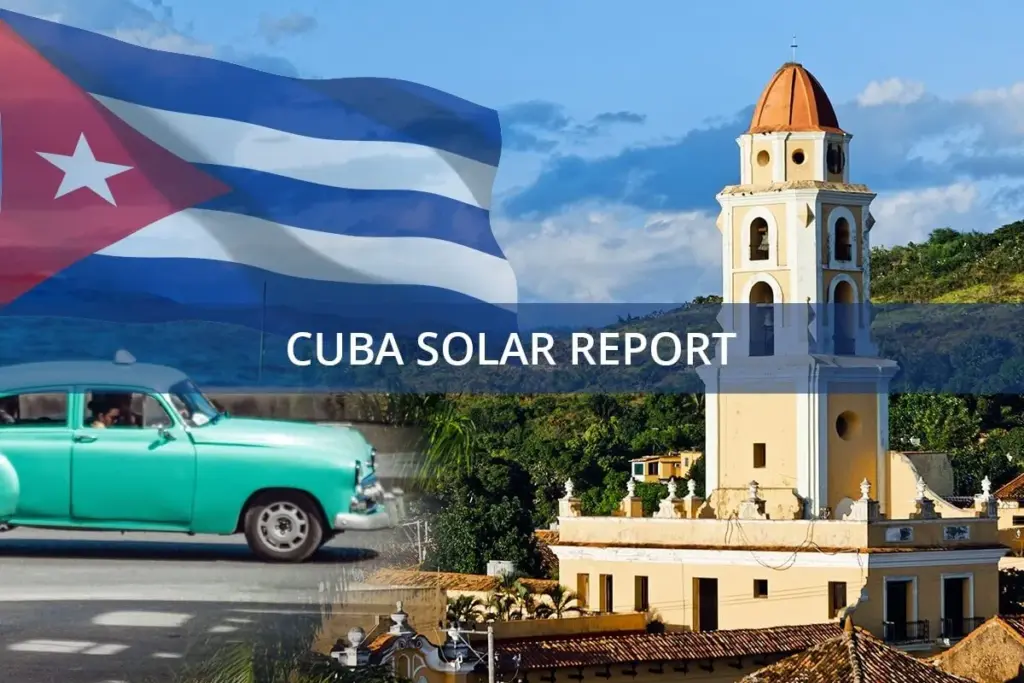
Cuba is striving to achieve 24% renewable electricity by 2030, focusing on solar, wind, and biomass. The country aims to reduce reliance on fossil fuels, which currently constitute 95% of its energy mix, but this transition is fraught with economic and technical challenges that test the nation’s resilience.
Cuba’s Renewable Energy Goals for Cuba renewable energy
Cuba is on a mission to transform its energy landscape, aiming for 24% of its electricity to come from renewable sources by 2030. This ambitious government plan seeks to address the country’s critical dependence on fossil fuels, which currently make up over 95% of its energy mix and expose it to severe economic volatility.
The government has outlined a strategy that focuses on diversifying energy sources and promoting efficiency. The plan includes developing new renewable projects, modernizing a fragile power grid, and increasing energy efficiency. The goal is to generate 19,000 GWh of electricity by 2030, with 4,500 GWh coming from clean sources. To achieve this, Cuba plans to install 2,100 MW of solar photovoltaic (PV) capacity, 700 MW of wind power, and 755 MW from biomass. Reaching this solar capacity will require a significant scale-up, demanding deep knowledge of everything from the basics of solar panel manufacturing to international supply chains.
Current Renewable Energy Projects in Cuba renewable energy
Solar energy plays the central role in Cuba’s renewable energy strategy. The country has around 180 solar parks, with a total installed capacity of 340 MW. A significant acceleration in development has seen 81% of these parks built in just the last two years, demonstrating a clear commitment to expanding solar infrastructure despite economic hardships.
Several major solar projects are underway to bolster this capacity. Two large solar parks, one with a capacity of 100 MW and another with 140 MW, are under construction. Additionally, Cuba is collaborating with Chinese investors on 20 more solar parks with a combined capacity of 100 MW. The entire solar panel manufacturing process, from sourcing materials to final assembly, is critical to the success of these large-scale installations.
Wind energy is another key component of the plan. The country currently has 47 wind turbines installed across three wind farms—Gibara I, Gibara II, and Los Canarreos—generating a total of 11.7 MW.
Other notable projects include small hydroelectric plants and the Camilo Cienfuegos Solar Park. This 2.6 MW park is the first in Cuba to use bifacial panels, which generate electricity from both sides. This technological choice highlights how advancements in panel efficiency, driven by high-quality solar panel raw materials, can maximize output even in smaller projects.
Challenges and Opportunities in Cuba renewable energy
Despite its progress, Cuba faces significant headwinds. The country is grappling with one of its worst economic crises since the 1990s, severely hampering its energy transition. A combination of U.S. sanctions, a decline in tourism, and reduced oil shipments from its ally Venezuela has depleted foreign currency reserves. This makes it incredibly difficult to import fuel, purchase spare parts for aging power plants, or invest in new technology.
This economic reality creates profound technical and social barriers. The nation’s grid suffers from chronic maintenance issues, leading to frequent and widespread blackouts that have fueled public frustration and protests. The transition to renewables, which relies heavily on imported technology, is slowed by these financial constraints.
To overcome these challenges, Cuba is actively seeking foreign investment and technical expertise. The government has opened the renewable energy sector to private and foreign investors, offering incentives to attract the necessary capital. For potential partners, understanding the financial scope, including the solar panel manufacturing plant cost breakdown and the investment in specific solar panel manufacturing machines, is essential for successful collaboration.
The opportunities, should these challenges be met, are immense. Diversifying its energy mix would drastically improve Cuba’s energy security and reduce its dependence on costly imported fuels. Furthermore, renewable energy projects can create jobs and stimulate economic growth. This transition also aligns with global efforts to combat climate change—a critical issue for an island nation highly vulnerable to rising sea levels and extreme weather.
Cuba’s goal of achieving 24% renewable electricity by 2030 is ambitious, and the path forward is difficult. While significant progress has been made in expanding solar and wind infrastructure, severe economic pressures are slowing momentum. Ultimately, reducing its dependence on fossil fuels is not just an environmental objective for Cuba; it is a vital step toward achieving energy security, economic stability, and a more resilient future for its people.
If you are interested in the technical details behind creating a solar-powered future, you can explore the fundamentals in our free e-course on solar panel manufacturing.