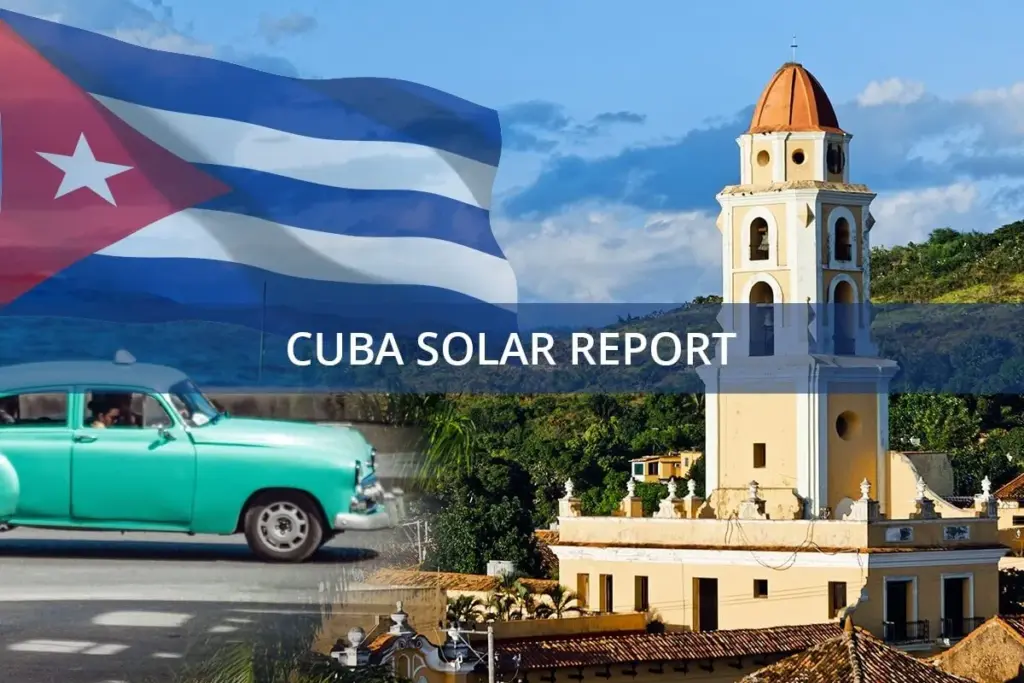
Cuba is turning to Russian companies to boost its solar energy production amid ongoing electricity shortages. Russian firms are set to provide 1.2 gigawatts of solar capacity, with the first 200 megawatts expected by mid-2024. This collaboration aims to help Cuba transition towards renewable energy and reduce its reliance on aging fossil fuel infrastructure.
Cuba’s Power Crisis and Renewable Energy Goals with Russia solar energy
Cuba is partnering with Russian companies to significantly boost its solar energy production as the island nation grapples with a severe and persistent energy crisis. The country has been plagued by frequent blackouts, sometimes lasting over 12 hours a day, stemming from an aging fossil fuel infrastructure, economic hardships, and a critical lack of spare parts for maintenance.
In response, the Cuban government has established an ambitious goal: to source 37% of its electricity from renewable sources by 2030. This is a monumental leap from the current 6%. To turn this vision into a reality, Cuba is leveraging its international partnerships, looking to Russia to help construct its solar capacity and stabilize its faltering grid.
Under a new agreement, Russian firms are slated to provide 1.2 gigawatts (GW) of solar capacity. According to a report from Reuters, the first 200 megawatts (MW) of this new capacity is expected to be operational by the middle of next year.
Russia’s Role in Cuba’s solar energy Expansion
Russia has emerged as a crucial energy ally for Cuba in recent years. Beyond the new solar initiative, Russian companies have already supplied 14 diesel-powered generators to the island, with more on the way. These units are set to add a combined 840 MW of capacity, offering short-term relief to the grid.
This new solar project deepens the strategic energy relationship between the two nations. Russian Deputy Minister of Energy, Evgueni Grabchak, recently emphasized his country’s commitment, stating that Russia will cooperate with Cuba in the development of renewable energies. According to Cuba’s energy and mining ministry, “The Russian side is working on the preparation of the technical and commercial proposal for the construction of 1.2 gigawatts of solar generation.”
The project will be implemented in phases, with the initial 200 MW tranche scheduled for completion by mid-2024. This first phase is critical for alleviating immediate pressure on Cuba’s electricity grid, which has been pushed to its breaking point by the ongoing power shortages. Understanding the solar panel manufacturing process is key to appreciating the logistical and technical scale of such a rapid deployment.
Cuba’s Renewable solar energy Ambitions with Russia
Cuba’s push for renewables is a core component of a wider national strategy to modernize its energy infrastructure, achieve greater energy independence, and reduce its reliance on fossil fuels. The 37% renewable energy target by 2030 is a clear signal of this commitment, a goal that seems more attainable with robust international partnerships. This effort places Cuba within a broader global trend, which can be explored further in the global solar report.
Harnessing the abundant solar energy available in the Caribbean nation is the most logical path forward. The partnership with Russia is a significant part of this larger effort, which involves not just building new capacity but also understanding the basics of solar panel manufacturing to ensure long-term success.
The full 1.2 GW project is expected to provide a much-needed lifeline to Cuba’s electricity grid. This substantial addition of clean energy will help stabilize power supply and provide a more reliable source of electricity for the country’s 11 million residents.
Challenges and Opportunities Ahead for Cuba Russia solar energy
While this new solar project marks a significant step forward, Cuba’s path to a renewable future is not without its challenges. The country’s aged energy infrastructure and chronic shortages of spare parts and capital present formidable obstacles to maintaining a reliable electricity supply and integrating new sources. A comprehensive solar panel manufacturing plant cost breakdown highlights the significant investment required for such projects.
However, the collaboration with Russia offers a powerful opportunity. The infusion of 1.2 GW of solar capacity will not only help Cuba advance toward its renewable energy goals but also provide a more sustainable solution to its long-standing energy crisis. The success of these installations will depend on high-quality components, from the fundamental solar panel raw materials to the sophisticated solar panel manufacturing machines used to produce them.
As Cuba continues to navigate its electricity shortages, this major solar project represents a critical move toward a more resilient and sustainable energy future. With Russian technical and commercial support, Cuba is taking a decisive step closer to achieving its 2030 renewable energy targets.
To learn more about the intricacies of bringing solar power to life, from initial concept to a fully operational plant, explore our free e-course.