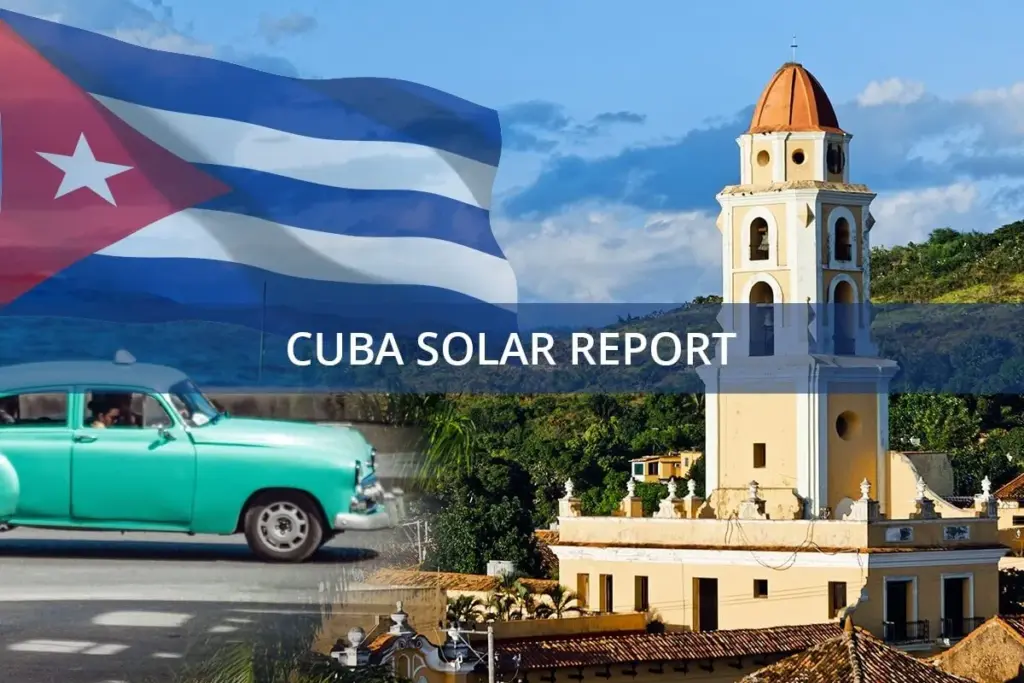
Cuba is set to significantly boost its solar energy capacity with 32 new solar parks, aiming to reach 1,000 MW by 2030. This expansion is crucial for addressing the island’s ongoing energy crisis, which has been exacerbated by U.S. sanctions, aging infrastructure, and rising fuel prices.
Expanding Cuba solar energy Infrastructure
Cuba is taking a significant step to enhance its solar energy capacity with the addition of 32 new solar parks, which will collectively generate 144 MW of electricity. As reported by Diario Granma, the country’s existing solar capacity stands at 359.5 MW from 78 parks. This new expansion will bring the total to 503.5 MW, marking a crucial move toward Cuba’s goal of reaching 1,000 MW of solar capacity by 2030.
The expansion of solar infrastructure is vital for Cuba as it continues to grapple with a severe energy crisis. However, even with these new additions, reports indicate that the renewable energy generated is still insufficient to meet the nation’s high demand. The island has faced frequent, prolonged blackouts due to fuel shortages, forcing the government to plan daily outages. This crisis is compounded by U.S. sanctions, which severely restrict Cuba’s access to fuel and international credit needed for understanding the basics of solar panel manufacturing and scaling up production.
Challenges and Progress in Renewable Energy for Cuba solar energy
The island nation’s reliance on fuel shipments from allies like Russia and Venezuela has been insufficient to meet its energy needs. In September, Cuba received 1.5 million barrels of oil and two shipments of diesel from Russia, but this was not enough to prevent widespread blackouts, leading to public frustration. The government has acknowledged that the current situation is unsustainable and is pushing for a transition to renewable energy sources.
Cuba’s renewable energy sector has faced numerous challenges, with the country’s energy matrix still heavily reliant on fossil fuels. In 2022, only 5.5% of the energy produced came from renewable sources—far short of the 24% target set for 2030. The government’s broader renewable energy plan aims to generate 700 MW from solar parks, 633 MW from wind farms, and 755 MW from biomass, along with 14 MW from smaller hydroelectric plants. The Cuba Solar Panel Manufacturing Report notes even more ambitious plans, with the government aiming to install 92 new solar farm projects totaling 2 GW of capacity by 2028. This will require a stable supply of solar panel raw materials, which remains a significant hurdle.
Despite these challenges, Cuba has made some progress. The new solar parks are part of a broader strategy to increase the island’s resilience to energy shortages and reduce its dependence on imported fuels. The government has also announced plans to develop wind farms and biomass plants, which will further diversify the country’s energy mix.
The Role of International Partnerships in Cuba solar energy
International partnerships have played a crucial role in Cuba’s efforts to expand its renewable energy capacity. Earlier this year, a German-Cuban joint venture announced plans to build a 50 MW solar park in the province of Cienfugos. This project, expected to be completed by 2026, will be one of the largest solar installations in the Caribbean.
However, Cuba’s energy transition faces significant financial hurdles. The country’s access to international credit is severely limited due to U.S. sanctions, making it difficult to secure the necessary funding for large-scale renewable energy projects. A detailed solar panel manufacturing plant cost breakdown reveals the substantial capital investment required for such initiatives. The Cuban government has called for greater international cooperation to help overcome these challenges and accelerate the transition to a more sustainable energy system. The complexity of the solar panel manufacturing process also necessitates technical expertise and specialized solar panel manufacturing machines, often sourced internationally.
The expansion of solar capacity is a critical component of Cuba’s strategy. While the new solar parks will provide much-needed relief, the island’s long-term energy security will depend on its ability to diversify its renewable energy sources and reduce its reliance on imported fossil fuels. The government’s ambitious goals will require continued investment and international support.
As Cuba moves forward, its experience could serve as a model for other nations seeking to transition to cleaner energy systems amid geopolitical and economic pressures. Understanding these national efforts within a broader context is key, and the Global Solar Report provides valuable insights into worldwide trends.
For those looking to deepen their understanding of the solar industry from concept to completion, our free e-course offers a comprehensive overview of solar panel manufacturing.