Cuba Turns to Solar Power as Energy Crisis Deepens in May 2026
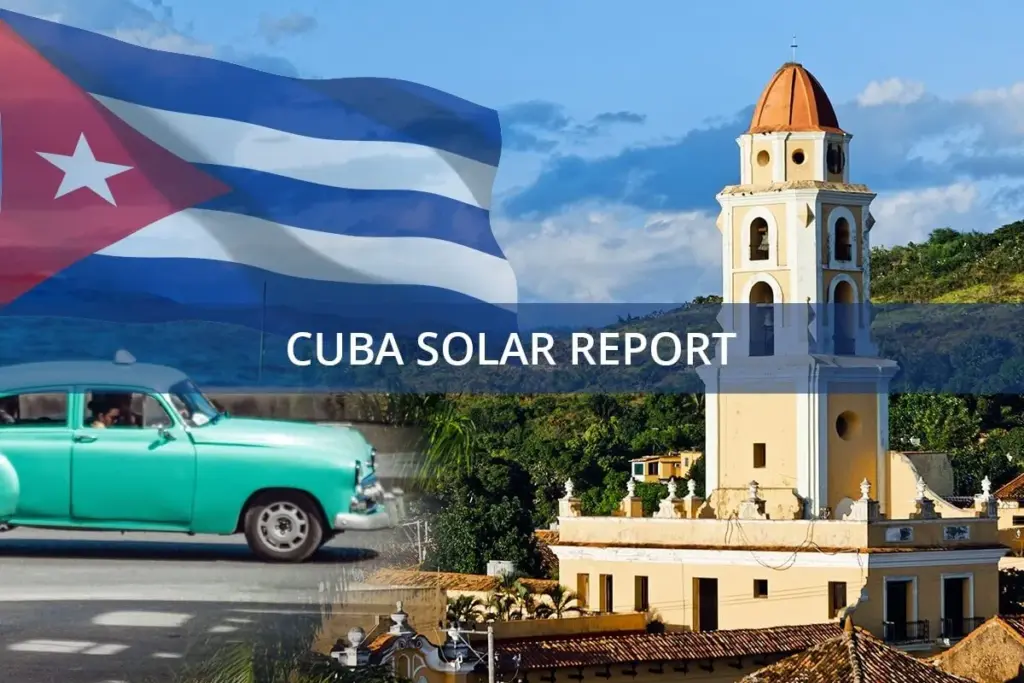
The hum of generators and the silence of darkened streets are becoming the new normal in Cuba this May. Faced with a deepening energy crisis marked by persistent blackouts and crippling fuel shortages, the island nation is making an urgent and strategic pivot towards solar power. What was once a long-term environmental goal has now become an immediate economic and social lifeline.
Addressing the Cuba Solar Energy Crisis
The severity of the current crisis cannot be overstated. Four months into this escalating energy crunch, the impacts are rippling through every sector of Cuban society. The government has been forced to implement drastic fuel-saving measures, including suspending some public transportation services and shifting university classes online. President Miguel Díaz-Canel has underscored the gravity of the situation, calling for “immediate” and urgent changes to the country’s energy model as fuel reserves continue to dwindle.
This is more than an inconvenience; it is a burgeoning humanitarian issue. As highlighted in a recent report from the United Nations, Cuba’s healthcare system is under immense strain, struggling to function amidst the power outages. The crisis compounds existing challenges, making the delivery of essential services a daily struggle. Reflecting the national urgency, Prime Minister Manuel Marrero Cruz has identified reforms to the electric system and food production as the country’s top priorities.
Solar Power: A Necessary but Incomplete Solution
In response, Cuba is aggressively turning to the sun. The push for solar energy is a pragmatic move to decentralize power generation, reduce reliance on volatile fuel imports, and build a more resilient energy infrastructure. For many Cubans, small-scale solar installations are becoming a way to reclaim some stability amid the unpredictability of the national grid.
Ready to make big Profits?
The solar Industry is Booming
WE HELP NEWCOMERS to the solar industry start their own solar module production line. Customers can make BIG PROFITS by selling modules and finding investors, without wasting money and time on things they don't need!
However, experts and officials alike recognize that solar panels are not a silver bullet. The nation’s energy problems are systemic and complex. The primary challenges include:
- An Aging Electrical Grid: Cuba’s grid is old and in desperate need of modernization. Simply adding solar power to this fragile system cannot fix its underlying vulnerabilities.
- The Scale of the Fuel Shortage: Lost oil shipments have created an energy deficit that solar power cannot immediately replace. While a recent, slight easing of U.S. restrictions on Venezuelan oil sales offers a sliver of relief, it does little to address the long-term supply squeeze.
- Interconnected Crises: The energy crisis is inextricably linked to food production, transportation, and public health. A comprehensive solution requires modernizing infrastructure and reducing fuel dependence across the board, not just in the power sector.
The Long Road Ahead
Cuba finds itself at a critical crossroads. The turn to solar power is an essential and forward-thinking step, but it is just the first on a long and difficult road. Addressing the full scope of this crisis will demand systemic reforms, significant investment in infrastructure, and a reimagining of the national economic model. As Cuba navigates this precarious period, the sun offers a glimmer of hope, but the path out of the darkness will require a far broader and more sustained effort.