Cuba’s Solar Initiative Framed as Essential for Economic Defense
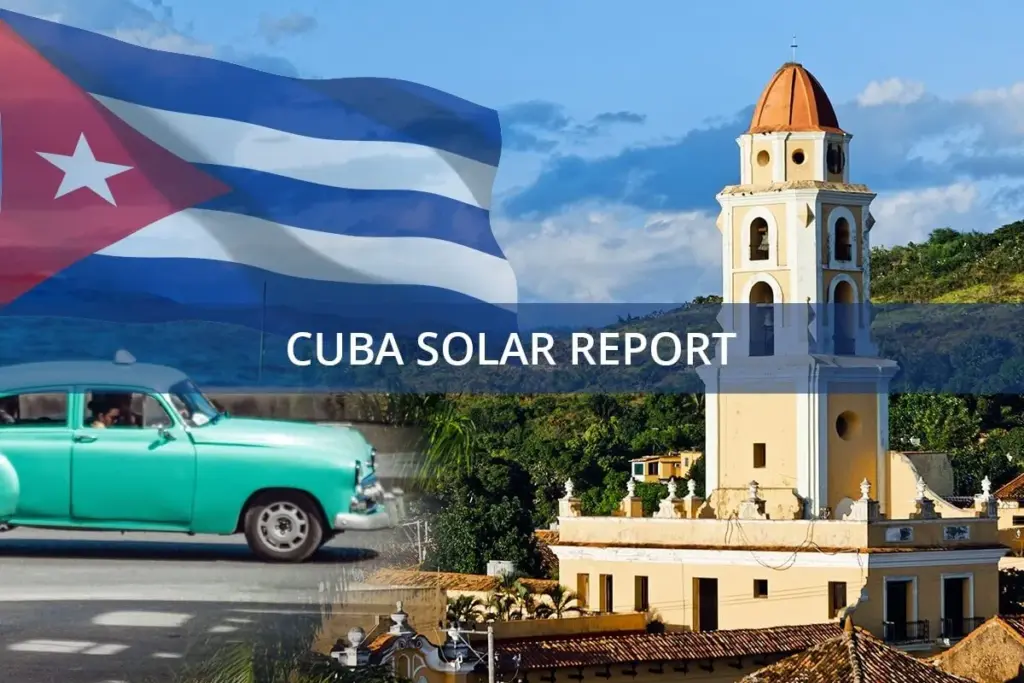
In a significant strategic shift, Cuba is reframing its push for solar energy, moving it from the realm of environmental policy to a core pillar of its national economic defense. Faced with a severe energy crisis marked by persistent blackouts and crippling fuel shortages, the island nation is increasingly viewing solar power not as a distant green ideal, but as an immediate tool for survival and sovereignty.
The Catalyst: An Unrelenting Energy Crisis Driving Cuba solar energy
For years, Cuba has grappled with an unstable energy supply. However, recent challenges have pushed the system to its limits, forcing a fundamental rewrite of the country’s economic model. The energy crunch impacts every facet of daily life and economic activity, from modernizing a fragile electrical grid to protecting vital food production and reducing a costly dependence on imported fuel.
This new reality has transformed solar power from a “distant green talking point” into a critical lifeline. The initiative is a direct response to the urgent need to maintain basic public services and ensure national stability in the face of profound economic pressures.
Solar Power as Economic Sovereignty
The Cuban government’s official messaging reflects this strategic pivot. Rather than focusing primarily on climate change or sustainability, officials now emphasize solar energy’s role in bolstering economic sovereignty and national security. The Presidency of Cuba has underscored that developing cleaner, locally-sourced energy is now integral to the country’s overall economic defense strategy.
This approach aims to build resilience from the ground up. By expanding its solar capacity, Cuba seeks to insulate its economy from the volatility of international fuel markets and external political pressures. It is a pragmatic move to secure a degree of energy independence, which in turn is seen as essential for protecting its national sovereignty.
A Defense Against External Pressures
This domestic energy initiative cannot be viewed in a vacuum. It is unfolding against a backdrop of intensified external economic pressure, including expanded U.S. sanctions that target various Cuban government entities. These measures amplify the vulnerability of an economy heavily reliant on imports, particularly fuel.
In this context, the drive for solar energy is a clear strategic maneuver. By developing a robust domestic renewable energy source, Cuba aims to reduce a key point of leverage that external actors can use against it. It is a calculated effort to mitigate the impact of sanctions and supply disruptions, making the solar initiative a direct and vital component of its national defense framework.
Ultimately, Cuba’s embrace of solar power is less about environmentalism and more about pragmatism. It represents a nation leveraging its most abundant natural resource—the sun—to forge a path toward greater economic stability and resilience in an incredibly challenging geopolitical landscape.