Cuba is advancing its commitment to a sustainable future by expanding its renewable energy infrastructure, with the recent inauguration of new photovoltaic parks in the provinces of Holguín and Camagüey. These ambitious projects, bolstered by international collaboration, are a cornerstone of the nation’s strategy to harness its abundant solar resources and significantly reduce its long-standing reliance on fossil fuels.
Holguín’s Cuba solar energy Plant
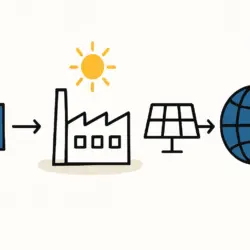
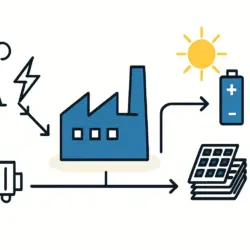
The recent inauguration of the Guiteras solar plant in Holguín marks a significant milestone in Cuba’s renewable energy journey. This facility is one of 10 photovoltaic parks planned for the province, which together will contribute a combined capacity of 45 MW to the national grid. The intricate solar panel manufacturing process behind the panels used in such parks is a testament to the advanced technology driving the global energy transition.
This development underscores Cuba’s dedication to shifting its energy matrix away from fossil fuels. The new Guiteras solar plant alone is projected to save an impressive 1,440 tons of diesel annually, translating into both economic savings and a cleaner environment.
Furthering this progress, Holguín has also witnessed the construction of the Yaguajay I solar park in the municipality of Calixto García. This park, supported by the United Nations Industrial Development Organization (UNIDO), is part of a broader initiative aimed at accelerating the adoption of renewable energy sources across the country.
Camagüey’s Renewable Energy Initiatives for Cuba solar energy
The province of Camagüey is also making substantial strides in its renewable energy infrastructure. The completion of the Nuevitas II photovoltaic park, with a capacity of 3.3 MW, is a key component of a larger project to establish 15 solar parks in the region. This expansive initiative, backed by a 30-million-dollar investment, is supported by the French Development Agency and the European Union. The construction of these parks relies on a global supply chain for key solar panel raw materials, such as high-purity silicon, glass, and aluminum.
The cumulative impact of these solar parks in Camagüey will be profound. The clean energy generated is expected to save over 15,000 tons of diesel annually and prevent the emission of 62,000 tons of CO2 each year. This initiative is a critical part of Cuba’s overarching goal to transition to a low-carbon economy.
Challenges and Future Prospects for Cuba solar energy
Despite these encouraging advancements, Cuba’s path to a fully renewable energy system is not without its obstacles. The nation continues to rely heavily on fossil fuels, with renewables currently accounting for only about 6% of its total energy generation. However, the government remains firmly committed to increasing this share and has established ambitious targets for the coming years.
The construction of new photovoltaic parks is central to Cuba’s strategy for diversifying its energy sources. The primary challenges include securing investment, updating the national grid to handle intermittent power sources, and navigating economic constraints. Understanding the solar panel manufacturing plant cost breakdown provides insight into the significant capital required for such national initiatives.
While Cuba navigates these large-scale hurdles, the drive for energy independence resonates globally. In Germany, for instance, homeowners and tenants are increasingly exploring personal solar solutions to reduce their own carbon footprint and energy costs, demonstrating that the transition can happen at every level. For anyone new to the technology, understanding the basics of solar panel manufacturing is a great first step toward appreciating its potential.
International Support for Renewable Cuba solar energy
The development of Cuba’s renewable energy infrastructure has been significantly aided by international organizations and partner countries. The funding for the Yaguajay I solar park in Holguín by UNIDO and the support for the Camagüey projects from the French Development Agency and the European Union are prime examples of this vital cooperation.
This international collaboration is crucial for overcoming the financial and technical barriers Cuba faces. The funding, expertise, and technology transfer provided by these partners enable the country to build modern infrastructure and implement the latest innovations. This support often facilitates access to sophisticated solar panel manufacturing machines, which are essential for developing a self-sustaining renewable energy sector.
As Cuba continues to expand its renewable energy capacity, it is poised to play a more significant role in the global effort to combat climate change. The nation’s determined push toward solar energy is a commendable step in achieving its national goals and contributing to a more sustainable planet. Whether you’re inspired by national projects or considering solar for your own home, deepening your knowledge is key. To learn more about how solar technology works from the ground up, enroll in our free e-course.