AMEA Power to construct 1 GW Egypt solar power plant with 600 MWh Battery
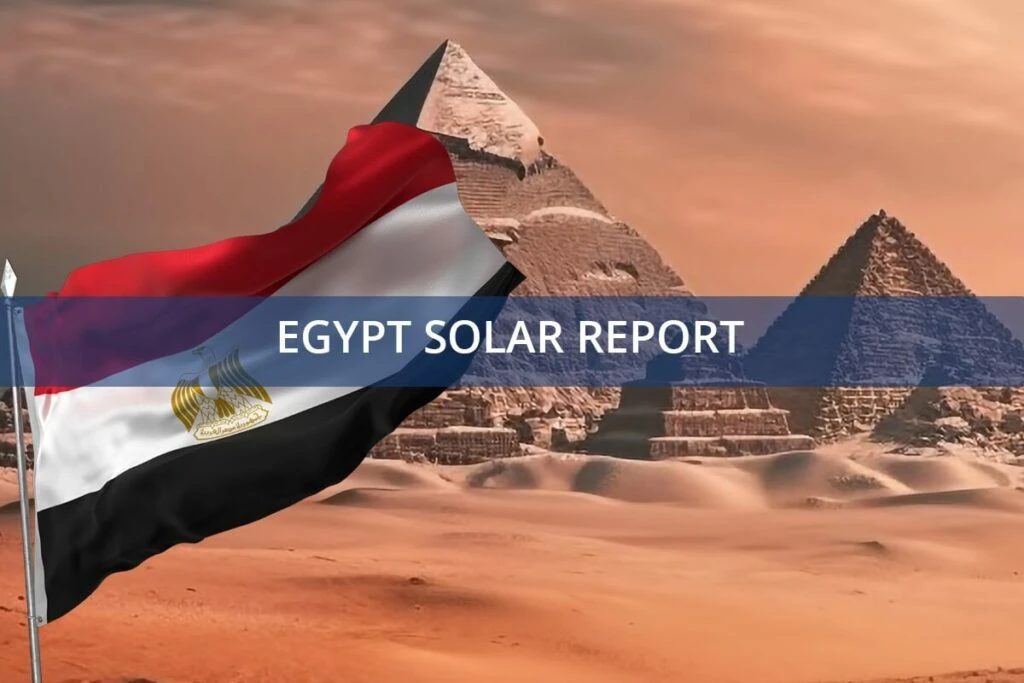
Dubai-based renewable energy company AMEA Power is spearheading a monumental project in Egypt, set to construct a 1 GW solar power plant paired with a 600 MWh battery energy storage system (BESS). This ambitious initiative, located in the Aswan governorate, marks a significant step forward for clean energy in North Africa.
In a powerful collaboration, AMEA Power is joined by Japan’s Kyuden International Corporation and the International Finance Corporation (IFC), the private sector arm of the World Bank Group. This partnership brings together international financial backing and deep technical expertise to enhance Egypt’s energy security and drive its transition to renewable sources.
A Landmark Investment in the Egypt solar power plant Sector
The project represents a major investment in Egypt’s renewable energy infrastructure. The agreement, signed by AMEA Power’s chairman, Hussain Al Nowais, and Mohamed Shaker, Egypt’s Minister of Electricity and Renewable Energy, underscores a shared commitment to a sustainable energy future.
This initiative is not just a standalone effort but part of a larger trend of massive clean energy developments in the region. It builds on the momentum of similar ventures, including another 1.2 GW PV-storage project that is helping to transform the country’s energy landscape. The scale of this 1 GW plant is immense, requiring a sophisticated and efficient solar panel manufacturing process to supply the vast number of modules needed.
Powering Homes and Reducing Emissions with Egypt solar power plant
Once fully operational, the solar facility is expected to generate over 2,400 GWh of clean electricity annually, enough to power approximately one million Egyptian homes. This will have a profound environmental impact, preventing the emission of more than 1.5 million tons of carbon dioxide each year.
The integration of a 600 MWh battery storage system is a critical component of the project. The BESS will store excess solar energy generated during peak sunlight hours and dispatch it during the evening or on cloudy days. This capability is crucial for ensuring grid stability and providing a reliable, 24/7 power supply, addressing the inherent intermittency of solar power. This solar-plus-storage model is becoming a blueprint for utility-scale renewables, as seen in other major Egypt solar battery projects.
“We are pleased to be making this major investment in Egypt’s renewable energy sector, contributing to the country’s efforts to diversify its energy mix and reduce its carbon footprint,” said Hussain Al Nowais, Chairman of AMEA Power.
Boosting Egypt’s Renewable Energy Goals with a new solar power plant
This project will play a pivotal role in helping Egypt achieve its ambitious renewable energy targets, which aim to generate 42% of the country’s electricity from clean sources by 2035. It will significantly reduce the nation’s reliance on fossil fuels, which currently dominate its energy mix.
The economic benefits are equally substantial. The construction and operation phases are expected to create thousands of jobs, attracting significant foreign investment and stimulating local manufacturing. AMEA Power has committed to prioritizing local suppliers and contractors, ensuring the economic benefits are distributed within the community. This commitment supports the entire supply chain, from the procurement of solar panel raw materials to on-site assembly. The project also highlights the growing capabilities of companies in the region, with AMEA Power leading other solar developments across Africa.
Global Impact and Local Relevance of the Egypt solar power plant
While this massive project is taking place in Egypt, its impact extends globally. Large-scale deployments like this accelerate innovation and create economies of scale, driving down the overall solar panel manufacturing plant cost breakdown worldwide. These advancements in technology and cost-efficiency eventually trickle down to consumer markets everywhere.
For homeowners and tenants in Germany, for example, the global push for renewables makes solar technology more accessible and affordable. The innovations perfected in utility-scale projects inform the development of more efficient residential panels and “Balkonkraftwerk” (balcony power plant) systems. Understanding the basics of solar panel manufacturing provides valuable insight for any consumer looking to invest in their own clean energy solution, whether on a rooftop in Berlin or a balcony in Munich. This project is a testament to a global trend, with key component suppliers like JA Solar backing Africa’s 1GW PV storage plan and pushing the industry forward.
From massive desert arrays to compact home systems, the principles of solar energy are universal. To learn more about how solar panels are made and how you can harness their power, explore our comprehensive free e-course on solar energy.