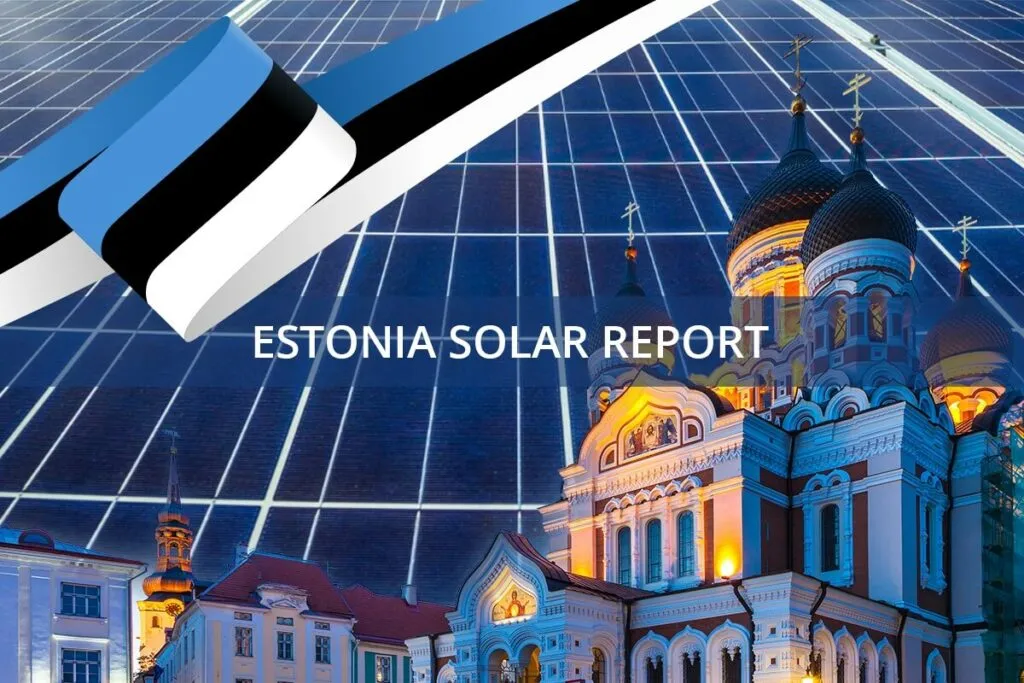
As part of its plan to transition all stations to renewable energy, Elisa Estonia has installed solar power panels at 13 base stations across seven municipalities. Each station in the pilot project is equipped with 20 solar panels, a move that reflects the company’s commitment to sustainability and operational efficiency.
A Leap Towards Sustainable Telecommunications
In a significant stride toward sustainable energy, Elisa Estonia has announced the installation of solar panels at 13 of its base stations across seven municipalities. The initiative is a key step in the operator’s ambition to transition all its base stations to renewable energy.

Elisa Estonia equips 13 base stations with solar panels, advancing its renewable energy goals.
Under the pilot project, each base station has been equipped with 20 solar panels. The initiative is part of Elisa’s strategy to integrate renewable energy solutions into its operations, boosting both environmental sustainability and efficiency.
To complement the solar integration, Elisa also plans to install new lithium batteries at nearly 100 of its base stations this year. This move is designed to bolster energy storage, ensure a reliable power supply, and improve network resilience. The combination of solar power and advanced battery technology represents a significant advance in sustainable energy management for telecom operations.
Pioneering Solar-Powered Network Operations
Elisa’s commitment to renewable energy is also evident in its collaboration with Ålcom, a telecom operator in the Åland Islands. This partnership involves deploying Elisa’s Distributed Energy Storage (DES) solution, which uses solar energy for mobile network operations.
Following a successful trial earlier this year involving Elisa, Ålcom, and Solel Åland, the DES solution will now be implemented to store and use solar energy in mobile network backup batteries. This innovative approach aims to reduce costs, cut carbon emissions, and enhance the resilience of Ålcom’s mobile network.
The Elisa DES solution is an advanced energy management system that combines solar panels and batteries. It captures and stores solar energy when conditions are optimal to power the network and can supplement with energy from the grid if needed.
“This is a great milestone for us and Ålcom, and a concrete example of optimizing solar energy utilization with DES. This advance proves how we can harness AI/ML-powered technology and renewable power generation in mobile network operations to fight climate change and reduce carbon emissions. With the added benefits of cost savings and improved network resilience, we are creating many winners,” said Jukka-Pekka Salmenkaita, VP for AI and Special Projects at Elisa.
Sustainability and Resilience: Core Benefits for Ålcom
For Ålcom, integrating solar energy into its operations is a key part of its commitment to sustainability. Solar power helps the operator reduce costs, gain flexibility, and better manage the variability in energy generation, demand, and grid availability.
Peter Löfman, Head of Network at Ålcom, expressed his enthusiasm for the project: “We are delighted to add solar energy to our operations with Elisa DES. This investment is part of Ålcom’s continued commitment to sustainability. Including solar production in the energy mix helps us reduce costs and gain flexibility and means to cope with variability and uncertainty in energy generation, demand, and grid availability.”
Economic and Environmental Impact
The Elisa DES solution offers benefits beyond direct cost savings. By converting backup batteries into a virtual power plant (VPP), it allows telecom operators to offer balancing services to the electricity grid. This load-shifting capability optimizes energy consumption, enabling operators to buy energy when prices are low and use stored energy during peak times.
Henri Korpi, EVP for International Digital Services at Elisa, highlighted the significance of this development: “This type of democratization and real-time participation in the energy market has not been accessible to telecom operators before. Selling excess capacity back to the grid to help balance supply and demand can be a source of additional revenue for operators.”
The initiative by Elisa Estonia and its collaboration with Ålcom highlight the telecom industry’s potential to embrace innovative Elisa energy solutions, paving the way for a greener, more resilient future. As these projects develop, they will serve as benchmarks for other operators looking to integrate renewable energy into their operations and reduce their environmental footprint.