
“`html
Georgia Power Energy Plan Excludes New Solar Infrastructure: 5 Alarming Facts
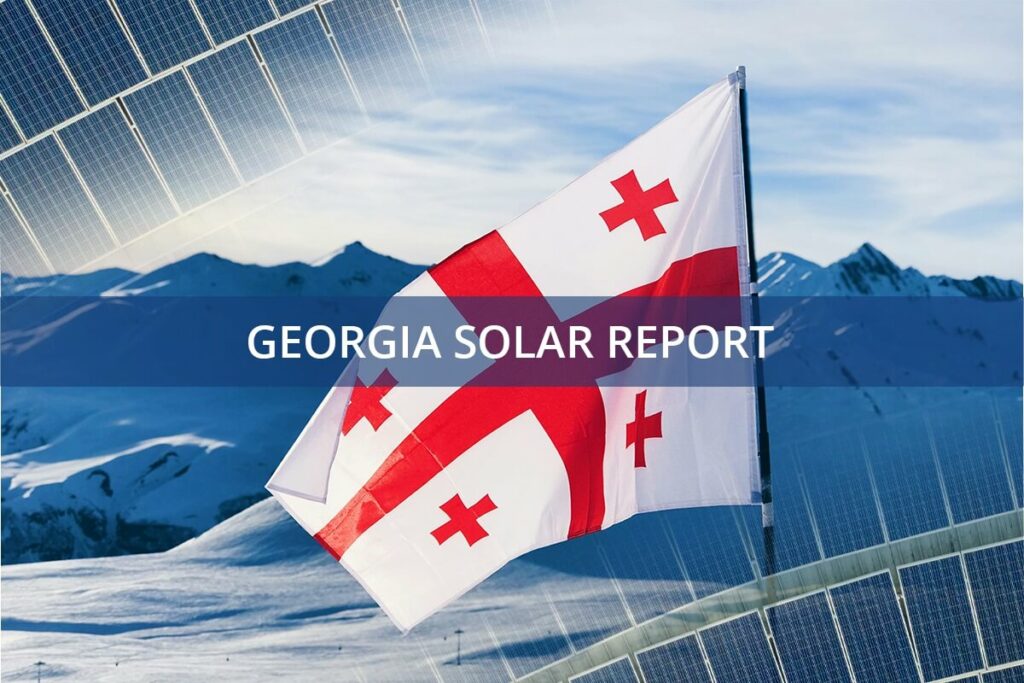
Georgia Power’s 2025 Integrated Resource Plan (IRP), recently approved by the Georgia Public Service Commission (PSC), has ignited a firestorm of criticism from clean energy proponents. While the utility contends its strategy addresses future energy demands, a closer look at the plan and expert analyses reveals a troubling prioritization of fossil fuels that effectively sidelines the state’s booming solar potential. Here are five alarming facts about the new energy blueprint.
1. A Massive Pivot to Natural Gas
At the core of the controversy is the plan’s aggressive expansion of fossil fuel infrastructure. The IRP calls for adding significant natural gas generation, including a new 2,300 MW plant. Critics, such as the Georgia Center for Energy Solutions, warn this could lead to a massive overbuild of capacity that isn’t required until coal plant retirements in 2032. Projections based on the plan suggest natural gas could ultimately account for over half of the utility’s power generation, locking in fossil fuel dependency for decades.
2. Solar is Modeled to Fail
Contrary to the headline’s implication of a total ban, Georgia Power’s plan does not formally exclude solar. The official IRP document even outlines a Request for Proposal (RFP) for renewable generation scheduled for mid-2025. However, independent analysis from organizations like the Natural Resources Defense Council (NRDC) reveals a more subtle reality: solar resources are modeled within the plan in a way that constrains them for profitability, making natural gas the predetermined winner. This strategic limitation effectively functions as an exclusion, preventing solar from competing on a level playing field.
3. Community Solar Programs Are Underperforming
Despite Georgia ranking seventh nationally for installed solar capacity, its community solar initiatives are falling dramatically short. An NRDC report highlights that a mere 0.04% of residential customers participate in these programs, a failure attributed to poor program design. This represents a significant missed opportunity to broaden access to renewable energy and leverage the state’s immense solar potential, which Drawdown GA notes could significantly reduce carbon emissions.
4. A Missed Decarbonization Opportunity
The plan’s focus on fossil fuels overlooks a powerful tool for climate action. According to research from Drawdown GA, deploying just ten 100-megawatt utility-scale solar farms could reduce Georgia’s carbon emissions by one million metric tons. By choosing to invest billions in gas infrastructure instead of capitalizing on its abundant solar resources, the state is forgoing substantial and achievable environmental benefits.
5. Waning Incentives and Ratepayer Risk
While the state invests in long-term fossil fuel projects, support for customer-owned solar is weakening. The 30% federal tax credit is slated to expire, and Georgia offers no state-level tax incentives to fill the gap. Though a utility buyback program exists, the PSC’s approval of costly gas plants has raised concerns among commissioners and advocates about the financial impact on ratepayers who will ultimately foot the bill for this new infrastructure.
Even as the utility’s plan disappoints clean energy advocates, the broader solar manufacturing industry in Georgia continues to thrive. A prime example is Qcells’ recent federal loan to expand its Georgia-based operations, a story you can read more about here. This industrial growth underscores the disconnect between the state’s potential as a solar leader and the path charted in the latest energy plan. The debate over Georgia’s energy future is far from settled.
Sources
- Georgia Solar Incentives, Rebates & Tax Credits 2026
- Critics pan Georgia Power’s plans to use more fossil fuels
- How Large-Scale Solar Can Reduce Carbon Emissions …
- 2025 Solar Incentives Guide for Richmond Hill, GA
- Georgia Center for Energy Solutions
- Georgia Power Company’s 2025 Integrated Resource Plan
- Georgia PSC approves plan to deliver savings for electric …
- Stipulated agreement reached to help keep electricity …
- Unlocking Community Solar in Georgia (PDF)
- 2025 Year in Review
“`
Didn’t see much about their nuclear energy ambitions. How long do they anticipate a nuclear power plant to be up and running?