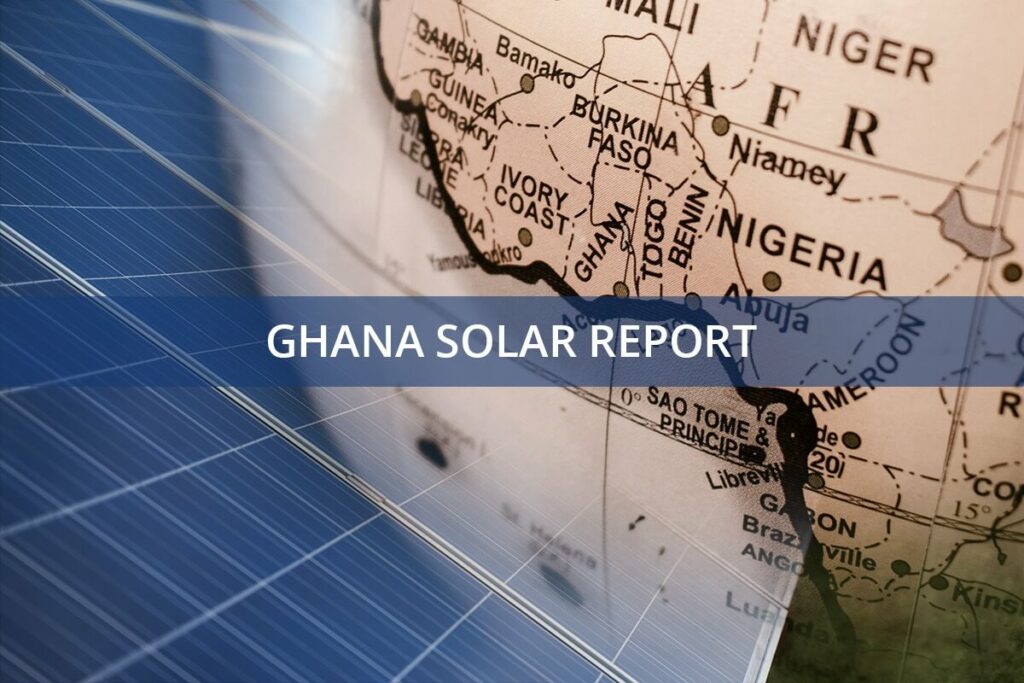
The Ministry of Energy in Ghana has pledged to ensure a stable power supply, announcing ambitious plans to install solar panels on all government buildings and schools. This key initiative is part of a broader, multi-faceted strategy to reduce the burden on the national grid, promote renewable energy, and permanently address the power shortages, known locally as “dumsor,” that have affected the country in the past.
Solar Panel Installation on Government Buildings: Powering Ghana solar energy
In a significant move towards energy independence, Ghana’s Ministry of Energy has committed to a landmark green initiative. The Deputy Minister of Energy, Herbert Krapa, revealed plans to install solar panels on all government buildings and schools during the inauguration of the newly elected executives of the Ghana Electrical Contractors Association (GECA) in Accra.
This project is a cornerstone of the government’s wider energy reforms, which have already seen the addition of over 200 megawatts from various solar projects. As part of this essential push, the government is leveraging solar to build a more resilient infrastructure. This commitment is a clear signal of the growing trend in Ghana solar energy investment: Essential 2024 push.
Krapa highlighted the government’s dedication to this path, stating, “The government is committed to promoting renewable energy as a sustainable solution to our energy challenges.” This sentiment is echoed in the nationwide rollout of other green technologies, including smart solar streetlights and new mini-grid systems that are already providing electricity to thousands of residents in areas like Ada.
Impact on National Grid with Ghana solar energy
The Deputy Minister explained that equipping government buildings and schools with solar panels will significantly reduce pressure on the national grid. By generating their own power, these public institutions will decrease their reliance on centralized energy, freeing up capacity for other residential and commercial users. This move is a critical part of a broader strategy to diversify Ghana’s energy sources and ensure a reliable power supply for all.
To further bolster grid stability, the Ministry has also undertaken stringent financial reforms, including the successful renegotiation of debts owed to Independent Power Producers, which saved the country approximately $300 million. These proactive steps have contributed to several months of uninterrupted power, a marked improvement from previous years.
Krapa assured the public that “the government is taking proactive steps to ensure a stable power supply in the country.” He also urged the new executives of GECA to support these initiatives by ensuring all electrical installations meet the highest standards of safety and reliability.
Renewable Energy as a Solution: The Promise of Ghana solar energy
Ghana has been working to overcome challenges with its power supply, and this large-scale solar initiative is expected to provide substantial relief. Beyond stabilizing the grid, it promises to reduce the government’s long-term energy costs and advance the nation’s climate goals. The country aims to increase its renewable energy capacity to 10% of the total energy mix by 2030, and this project is a major step toward that target.
Herbert Krapa emphasized the critical role of renewables, stating, “Renewable energy is the way forward for Ghana. It is a sustainable solution to our energy challenges.” The success of such a project hinges on a deep understanding of the technology, from the basics of solar panel manufacturing to the intricate solar panel manufacturing process that turns simple solar panel raw materials into efficient energy-generating devices.
GECA’s Role in the Initiative for Ghana solar energy
The Deputy Minister’s call for support from GECA underscores the vital importance of public-private collaboration in achieving Ghana’s renewable energy goals. As a key stakeholder in the nation’s energy sector, GECA is expected to play a crucial role in the safe and efficient execution of this nationwide installation project.
The association’s members will be responsible for ensuring that the complex installations, which require specialized solar panel manufacturing machines and technical expertise, are performed to the highest standards. Understanding the complete solar panel manufacturing plant cost breakdown will also be essential for contractors to manage projects effectively and contribute to the initiative’s overall success. The new GECA executives have been urged to champion these standards and support the government’s vision.
This collaborative effort to install solar panels on government buildings and schools is set to become a defining feature of Ghana’s energy transition, promising a brighter and more sustainable future for all its citizens.
To dive deeper into the world of solar technology and production, you can explore our comprehensive free e-course.