Powering Kazakhstan’s Green Transition with a New Kazakhstan solar plant
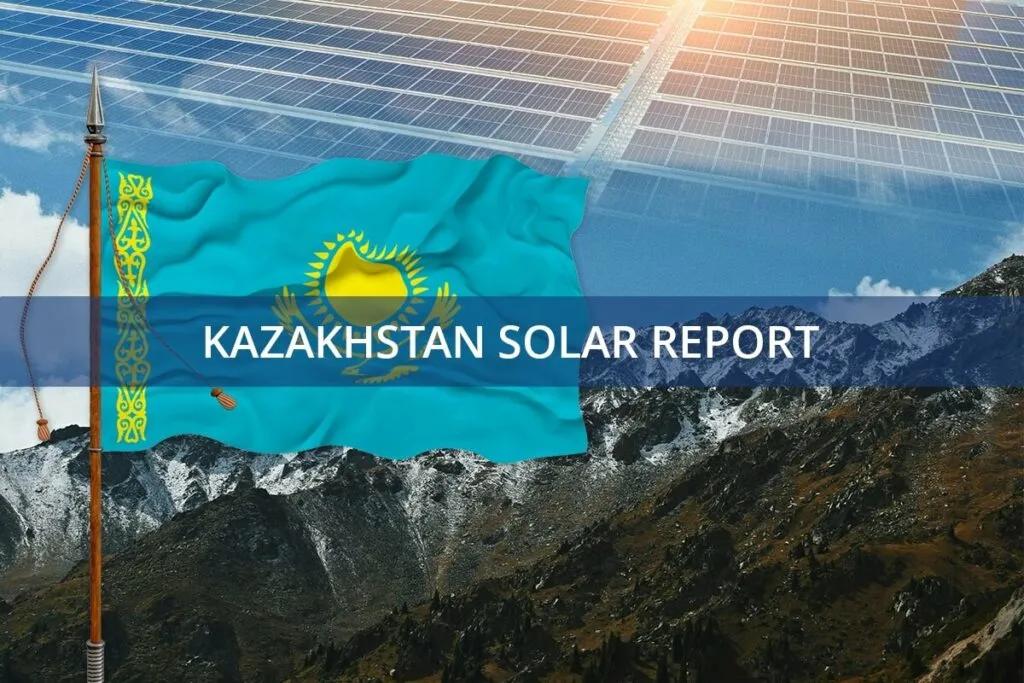
Samruk-Energy, a key player within Kazakhstan’s sovereign wealth fund Samruk-Kazyna, has officially commissioned a 50 MW solar power plant in the Almaty region. This project marks the company’s significant entry into the solar energy sector and is a pivotal step in the nation’s journey towards a more sustainable energy future. The new plant is expected to generate approximately 84 million kWh of clean electricity annually, making a substantial contribution to the country’s renewable energy objectives.
A Key Milestone in a Broader Kazakhstan solar plant Strategy
The commissioning of this 50 MW facility in 2025 is not an isolated event but a crucial component of a broader, ambitious strategy driven by the Samruk-Kazyna Fund. It is one of nine major projects the fund aims to complete by the end of the year, backed by a massive investment portfolio of around $103 billion. This initiative highlights a decisive shift towards diversifying the nation’s energy sources and fostering sustainable development.
This project is part of a significant expansion of Kazakhstan’s renewable energy, with a stunning 455 MW growth expected in 2025 alone. The Almaty region, in particular, is becoming a hub for green energy, with its progress and potential being a key topic at events like PowerTech 2025, which spotlights Kazakhstan’s renewable energy sector. With this new solar plant, Samruk-Energy’s total installed power capacity has now climbed to an impressive 7,845 MW.
Contributing to National Energy Goals with the Kazakhstan solar plant
Kazakhstan has set clear and ambitious targets for its energy sector, and this solar plant is a direct contributor to those goals. The nation is making significant strides, aiming for an impressive 6.7 GW of renewable capacity by 2029.
The 50 MW plant joins a growing portfolio of large-scale solar projects across the country. It adds to the momentum generated by established facilities like the Burnoye Solar plants, which have already proven Kazakhstan’s capacity for impressive solar energy output. Furthermore, it complements other massive undertakings currently in development, such as the 545 MW Altyn Dala Solar Power Station, signaling a robust and expanding solar landscape.
What This Means for Germany and the Global Energy Market from Kazakhstan solar plant
While this development is unfolding in Central Asia, its implications resonate globally, including for homeowners and tenants in Germany. Every large-scale solar plant that comes online contributes to the global energy transition by reducing reliance on volatile fossil fuel markets. This diversification can lead to more stable long-term energy prices worldwide.
Furthermore, Kazakhstan’s commitment to renewables aligns with international climate agreements, such as the Paris Accord, which Germany is also a key signatory to. Projects like the Samruk-Energy plant demonstrate the economic and technical viability of green energy at scale, encouraging further investment and policy support across Europe. Understanding the basics of solar panel manufacturing and the complex solar panel manufacturing process helps appreciate the global effort required to achieve these climate goals.
The successful deployment of such projects provides valuable data and strengthens the international supply chain for essential solar panel raw materials and advanced solar panel manufacturing machines, ultimately making solar technology more accessible and affordable for everyone.
This new plant is a powerful symbol of Kazakhstan’s dedication to clean energy and a significant step forward in its strategic development.
If you are interested in learning more about the technical and financial aspects of setting up solar energy projects, consider enrolling in our free e-course to deepen your knowledge.