Laos’ Largest Solar Power Project: A Step Towards Sustainable Energy with Laos solar power
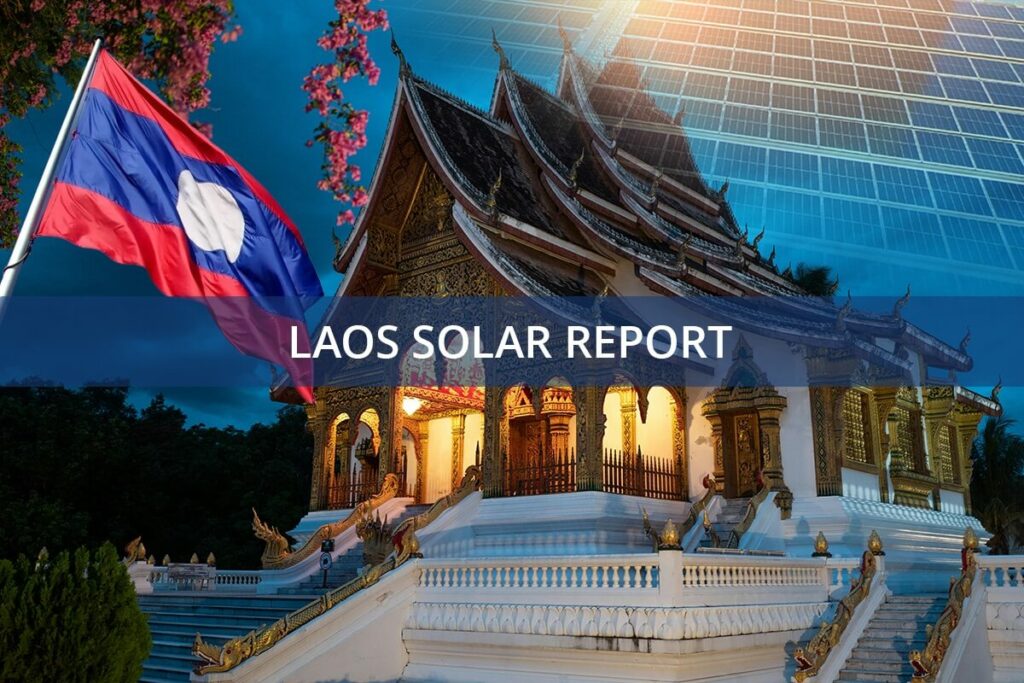
Laos has taken a monumental step towards sustainable energy with the inauguration of its largest solar power project to date. Located in the Xay district of Oudomxay Province, the massive 1,000-megawatt (MW) solar farm has officially begun generating electricity. The project was developed by CGN Energy Technology Laos Co., Ltd. (CGN), and its commissioning ceremony was attended by high-ranking provincial officials, underscoring its national importance and marking a new chapter for renewable energy in Laos. The project is a testament to the advanced manufacturing process that can produce photovoltaic panels on such a massive scale.
A Boost to Laos’ Renewable Energy Capacity with Laos solar power
With an installed capacity of 1,000 MW, the Oudomxay Solar Power Project dramatically boosts the country’s renewable energy output, making it one of the largest clean-energy developments in the nation. The plant is expected to generate approximately 1.7 billion kilowatt-hours (kWh) annually. While supporting Laos’s energy security, a large portion of this generated power is slated for export to neighboring China’s Yunnan Province.
This project is a cornerstone of Laos’s broader strategy to diversify its energy mix and reduce its historical reliance on hydroelectric power. The country has abundant sunlight, making it an ideal location for solar power generation from panels constructed with carefully selected solar panel raw materials to maximize efficiency and longevity. This move positions Laos to become a regional leader in renewable energy production.
Future Prospects and Challenges for Laos solar power
The successful launch of the Oudomxay project is expected to serve as a model, paving the way for more large-scale solar initiatives across Laos. Provincial authorities believe the project will not only attract further investment but also bring tangible benefits to the local population, including new technology, training opportunities, and much-needed employment and income for various ethnic groups in the region.
However, challenges remain. The long-term success of Laos’s renewable sector will depend on maintaining a stable political and economic environment. The financial commitment for such projects is immense, a fact underscored by any solar panel manufacturing plant cost breakdown, and requires a stable environment to attract investors. Significant investment in grid infrastructure will also be necessary to support this growing capacity. Furthermore, as the country develops more projects, ensuring that the economic and social benefits are shared equitably among its citizens will be a critical measure of success.
What This Means for the Global Energy Transition and Laos solar power
The launch of a 1,000 MW solar farm in Laos is more than a regional success story; it’s a powerful signal of the accelerating global shift towards clean energy. For homeowners and tenants in Germany, this development in Southeast Asia reinforces the importance of local action within a global context. While large utility-scale projects are essential for national grids, individual contributions—like installing rooftop solar panels or choosing a green energy provider—are a vital part of the same worldwide movement. Understanding the basics of solar panel manufacturing helps appreciate the industrial effort behind every panel. Every single one, whether on a German roof or in a Laotian field, begins its life with sophisticated solar panel manufacturing machines and contributes to a more sustainable future.
To learn more about how solar panels are made and the technology driving this green revolution, consider enrolling in our free e-course on solar panel manufacturing.