Malaysia renewable energy corridor: $6B plan is impressive for Net-Zero Goals
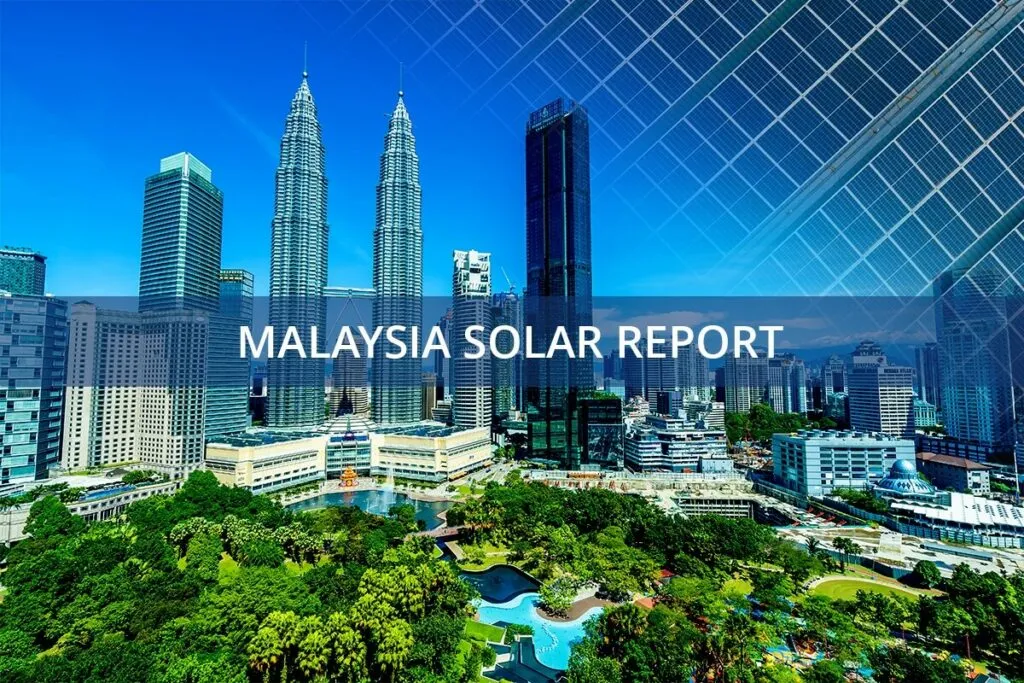
Malaysia is set to become a regional powerhouse in clean energy with the announcement of a monumental $6 billion partnership to develop the Southern Johor Renewable Energy Corridor (SJREC). This ambitious initiative, forged between the World Bank Group’s International Finance Corporation (IFC), Johor’s state investment arm Permodalan Darul Ta’zim (PDT), and local partner Ditrolic Energy, marks a significant stride towards the nation’s 2050 net-zero emissions target. Located strategically in Johor, the project is poised to redefine the country’s energy landscape through massive infrastructure development and enhanced regional cooperation.
SJREC: A Vision of Unprecedented Scale and Power
The SJREC is engineered as a world-class, large-scale clean energy hub spanning approximately 2,000 square kilometers. The project’s initial phase is nothing short of transformative, targeting the installation of up to 4 gigawatts peak (GWp) of solar capacity alongside a formidable 5.12 gigawatt-hours (GWh) of battery energy storage on a 10,000-acre site. Executing a plan of this magnitude requires a profound understanding of the entire solar panel manufacturing process, from sourcing high-quality solar panel raw materials to final deployment. This hybrid system is designed to provide reliable, green electricity to power-intensive clients, including hyperscale data centers, manufacturers, and multinational corporations operating in the region.
SJREC: Fueling Economic Growth and Regional Connectivity
Strategically situated within the Johor–Singapore Special Economic Zone (JS-SEZ), the SJREC is designed not only as an environmental solution but also as a powerful economic engine. The development is projected to create an estimated 125,000 jobs across its construction, operation, and maintenance phases, providing a substantial boost to the local and national economy. Furthermore, the corridor is a key enabler for regional energy security, with plans to facilitate renewable electricity exports to neighboring Singapore. This cross-border trade supports the broader ASEAN Power Grid initiative, which aims to create a fully integrated energy network across Southeast Asia by 2045. The sheer capital involved, while massive, is put into perspective when considering a typical solar panel manufacturing plant cost breakdown, scaled to an unprecedented level.
SJREC: A Global Blueprint for Industrial Decarbonization
While some nations champion decentralized renewable energy models, Malaysia’s centralized, utility-scale approach with the SJREC offers a compelling blueprint for decarbonizing heavy industry—a global challenge. The project demonstrates a comprehensive commitment, from grasping the fundamentals of solar cell production to utilizing advanced solar panel manufacturing machines. This initiative positions Malaysia as a forward-thinking leader in Southeast Asia’s green transition, proving how international collaboration and targeted investment can accelerate a sustainable future. For those interested in the technologies that make such transformative projects possible, a comprehensive free e-course offers further insight.
Sources
- 6 bln USD renewable energy corridor to be developed in …
- World Bank, Ditrolic forge partnership with Johor to …
- World Bank and Ditrolic Partner with Johor for the $6 Billion …
- World Bank signs deal with PDT and Ditrolic Energy for $6 …
- World Bank supports multi-gigawatt cross-border …
- Malaysia’s 4 GW / 5.12 GWh solar-plus-storage complex …
- World Bank Group’s IFC, PDT, Ditrolic Energy Partner to …
- Malaysia’s 4 GW/5.12 GWh solar-plus-storage complex …
- Malaysia, World Bank unveil $6 billion green energy …
- $6 Billion Solar-Plus-Storage Project Launched In Malaysia