During a state visit to India, Mongolian President Ukhnaagiin Khurelsukh commended India’s remarkable achievements in the global energy transition, specifically praising its ambitious 2030 plan. The acclaim comes as India achieves a significant milestone, having reached its goal of 50% non-fossil fuel power capacity in 2025, years ahead of schedule. This progress forms the backdrop for a deepening strategic partnership, highlighted by a major joint oil refinery project and burgeoning collaboration in renewable energy.
India energy transition: Mongolia Hails India’s Unique 2030 Plan, Setting the Stage
India’s leadership in clean energy is underpinned by its aggressive pursuit of a 500 GW non-fossil fuel power capacity target by 2030. The nation has demonstrated rapid progress, adding approximately 50 GW of renewable capacity in 2025 alone and surpassing 266 GW in total renewable capacity by early 2026. This accelerated deployment, which enabled India to meet its 50% non-fossil capacity goal well ahead of time, has positioned it as a key player and a credible partner for nations like Mongolia looking to secure their own energy futures.
A Foundational Partnership in Energy Security for India energy transition: Mongolia Hails India’s Unique 2030 Plan
At the heart of the current bilateral cooperation is the Mongolia-India oil refinery, a landmark project initiated in 2018 and backed by an updated $1.7 billion line of credit from India. President Khurelsukh emphasized the project’s critical role, stating, “This project will be an important symbol of the strategic partnership between Mongolia and India and will make a significant contribution to Mongolia’s energy security and economic development.” Slated for completion in 2028 in Dornogobi province, the refinery is designed to produce 1.5 million tonnes of oil annually, effectively meeting Mongolia’s domestic fuel demand and reducing its reliance on imports.
Expanding Horizons: From Fossil Fuels to Renewables with India energy transition: Mongolia Hails India’s Unique 2030 Plan
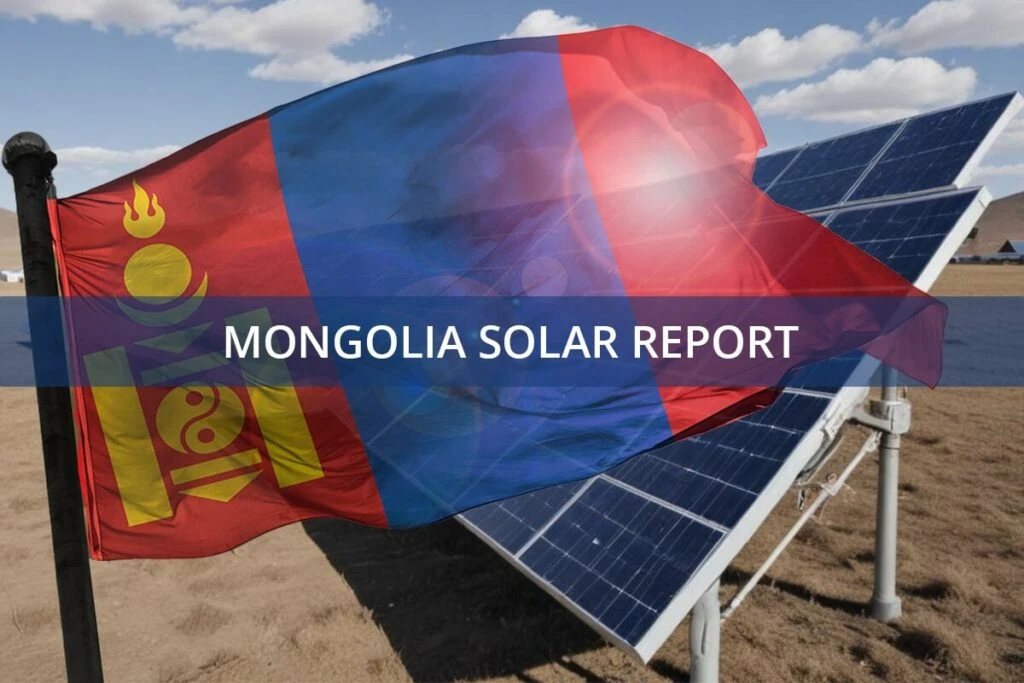
While the refinery addresses immediate energy security needs, both nations are firmly focused on a sustainable future. President Khurelsukh expressed strong interest in partnering with India to develop Mongolia’s vast renewable resources. With 25% of its electricity already sourced from renewables, Mongolia sees immense potential, particularly in the wind and solar-rich Gobi Desert. “We can produce more renewable energy than we consume and export clean energy to the region,” Khurelsukh affirmed, outlining a vision for ambitious energy exports. This vision is already taking shape through initiatives like the recent solar tender for a new plant in Khovd province, signaling Mongolia’s growing solar ambitions.
Forging a Green Alliance for the Future with India energy transition: Mongolia Hails India’s Unique 2030 Plan
The collaboration is set to deepen further, with Mongolia formally expressing its intent to join the India-led International Solar Alliance (ISA). This move would integrate Mongolia into a global network focused on solar energy development, allowing it to leverage India’s extensive experience. India, described by Prime Minister Narendra Modi as a “reliable partner,” is well-positioned to offer technical expertise across the entire solar value chain, from the fundamentals of panel manufacturing to managing complex supply chains for essential raw materials. As the partnership evolves, it is expected to extend into oil and gas exploration and the mining of critical minerals, further solidifying the bond between the two “spiritual siblings.” This comprehensive approach, covering everything from geopolitics to the technical details of the solar panel manufacturing process, exemplifies a powerful model for international cooperation. To better understand the complexities involved, a free e-course on solar panel manufacturing can provide valuable insights.