A New Dawn for the Mongolia energy transition: Impressive 2050 Framework Unveiled
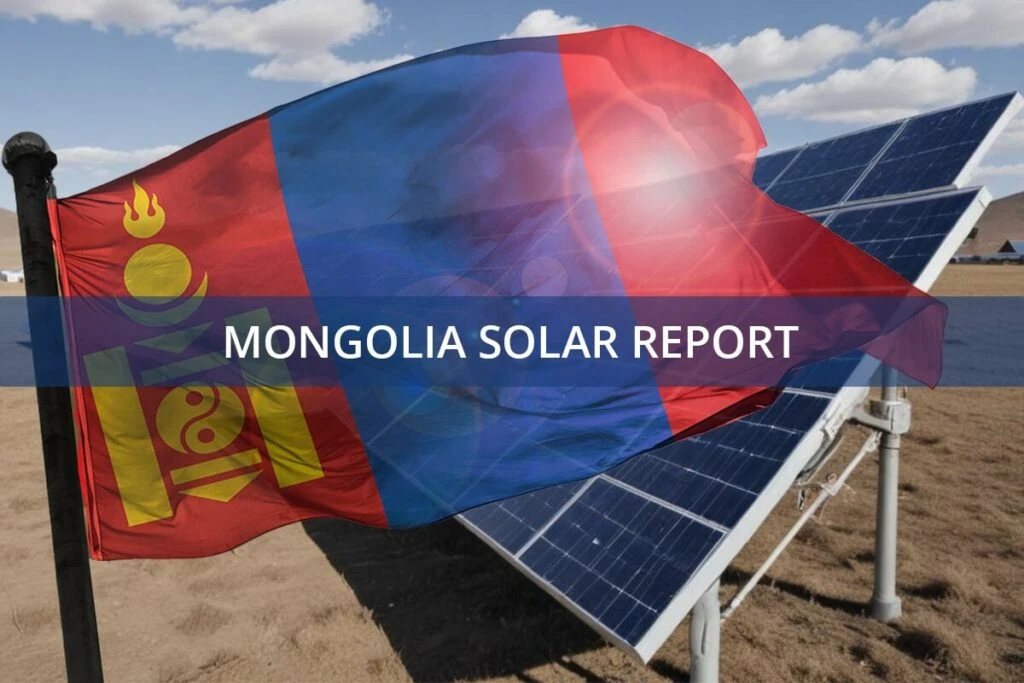
Mongolia has officially launched its Just Energy Transition Framework (JETF), a landmark strategic guide designed to pivot the nation away from its deep reliance on coal and towards a sustainable future. Developed to harmonize with the country’s ambitious ‘Vision-2050’ long-term development policy and its updated Nationally Determined Contributions (NDC) 3.0, the JETF serves as a comprehensive roadmap for transforming the national energy landscape while ensuring economic and social equity.
Harnessing Unprecedented Renewable Potential for the Mongolia energy transition: Impressive 2050 Framework Unveiled
The scale of Mongolia’s energy challenge is matched only by the scale of its opportunity. The nation is currently over 90% dependent on coal for its energy needs. Yet, it possesses an extraordinary solar and wind power potential estimated to exceed 2,600 gigawatts (GW). Despite this immense resource, renewables accounted for just 18.3% of installed capacity in 2023, utilizing a mere 0.06% of the country’s total potential. The JETF directly addresses this disparity, reinforcing the national goal to increase the share of renewables to 30% by 2030 and laying the groundwork for future energy exports.
A Framework Built on Equity and Collaboration for the Mongolia energy transition: Impressive 2050 Framework Unveiled
At the heart of the initiative is the principle of a “just” transition. Developed through extensive consultations, international lessons, and sophisticated scenario modeling, the framework prioritizes balancing environmental, social, and economic goals. It explicitly aims to ensure that no household, worker, or community—particularly those currently dependent on the coal sector—is left behind. This commitment to inclusive development has already seen practical application through pilot projects, led by partners like the UNDP and UNICEF, that have brought renewable power to rural schools and low-carbon heating to thousands of traditional ger households.
Attracting Global Investment for a Greener Future with the Mongolia energy transition: Impressive 2050 Framework Unveiled
Mongolia’s strategic vision is already gaining significant international traction. In a major boost to the transition, EIB Global signed a memorandum in 2025 to help unlock up to €1 billion for renewable energy projects, power grid modernization, and sustainable transport under the EU’s Global Gateway initiative. The JETF acts as a clear and compelling signal to international investors and climate finance institutions, demonstrating a coherent plan to leverage natural advantages for sustainable growth.
Realizing this vision will require building a robust domestic manufacturing base. This starts with understanding the fundamentals of solar cell production and the entire solar panel assembly line. Success hinges on securing a stable supply of photovoltaic raw materials and investing in state-of-the-art solar panel production equipment. Detailed insights, such as this market report on Mongolian solar manufacturing, are crucial. Furthermore, a transparent solar factory investment analysis is essential for attracting partners. Developing local expertise through resources like a free solar manufacturing e-course will be vital for long-term success. By moving forward with this holistic plan, Mongolia is setting a powerful global example for a transition that is not only green but also profoundly just.
Sources for the Mongolia energy transition: Impressive 2050 Framework Unveiled
- Vision-2050: Long-term Development Policy of Mongolia
- Accelerating Mongolia’s Just Energy Transition
- Accelerating Mongolia’s just energy transition
- Publication: Mongolia Economic Update, May 2025
- Accelerating Climate-Resilient Governance in Mongolia
- Mongolia’s National Adaptation Plan
- EIB Global signs memorandum of understanding with …
- Just Energy Transition Framework
- JUST ENERGY TRANSITION FRAMEWORK
- MONGOLIA