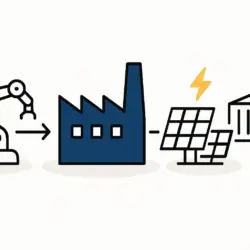
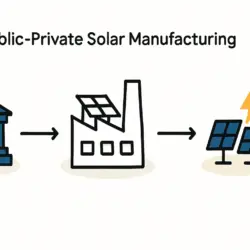
Nigeria’s solar industry has reached a historic turning point. In October 2025, for the first time, the country imported more solar cells for local assembly than finished solar panels, signaling a decisive shift towards domestic manufacturing. This pivotal development is set to accelerate renewable energy adoption, create economic value, and decrease Nigeria’s long-standing reliance on fossil fuels.
Nigeria’s Growing Solar Industry: The Impact of Nigeria solar cell imports
In a landmark moment for Nigeria’s energy sector, October 2025 saw the country import 110 megawatts (MW) of solar cells, significantly outpacing the 82 MW of finished solar panels brought in during the same period. This isn’t just a statistical shift; it represents a fundamental change in strategy. Solar cells are the core components of a solar panel, and by prioritizing their import, Nigeria is actively building a robust domestic assembly and manufacturing base. Understanding the basics of solar panel manufacturing is key to appreciating the significance of this move.
This transition comes as Nigeria grapples with significant energy challenges, with over 85 million people lacking access to reliable electricity. The government, through agencies like the Rural Electrification Agency (REA), has championed solar energy as a solution. This focus on local production is a strategic effort to move beyond simple consumption of foreign goods and build a self-sustaining industry, a trend seen in recent partnerships to boost Nigeria solar production.
Impact on Renewable Energy Sector: Driven by Nigeria solar cell imports
The surge in solar cell imports is a profoundly positive indicator for Nigeria’s renewable energy future. Establishing local production is expected to lower costs, making solar power more affordable and accessible for homes and businesses. The overall market is already substantial, with Nigeria solar panel imports reaching impressive values, indicating a massive underlying demand that local manufacturing can now begin to satisfy.
This industrialization creates skilled jobs, fosters the growth of small and medium-sized enterprises (SMEs) across the supply chain, and retains economic value within the country. The success of this strategy is already evident, with Nigeria beginning to export finished solar panels to neighboring countries like Ghana. This not only boosts the local economy but also positions Nigeria as a potential renewable energy hub in West Africa.
This momentum is crucial for meeting Nigeria’s ambitious goal of generating 30% of its electricity from clean sources by 2030. As a major oil-producing nation, Nigeria’s decisive pivot towards solar serves as a powerful example for other African countries looking to diversify their energy mix and reduce their carbon footprint.
Government Support and Future Prospects for Nigeria solar cell imports
This shift is not accidental but the result of deliberate and coordinated government policy. Reforms under the Ministry of Power and the REA, including a proposed solar panel import ban on finished products, have created a favorable environment for local manufacturers. A key catalyst was the inaugural Nigeria Renewable Energy Innovation Forum in October 2025, which reportedly unlocked nearly $500 million in manufacturing and supply-chain deals.
The government is backing this industrial policy with initiatives like tax incentives and subsidies, alongside investments in grid infrastructure to support massive solar installation plans. With its abundant sunlight, Nigeria is perfectly positioned for solar energy dominance. By focusing on the complete solar panel manufacturing process, from sourcing solar panel raw materials to utilizing modern solar panel manufacturing machines, the country can significantly enhance its energy security.
This burgeoning market is also a magnet for foreign investment, with international firms eager to partner with local companies. This influx of capital and expertise will further accelerate the development of Nigeria solar panel production and help investors understand the solar panel manufacturing plant cost breakdown.
The sharp rise in solar cell imports marks a new chapter in Nigeria’s energy story. By championing local production, Nigeria is building a more sustainable, resilient, and economically sovereign energy future. With sustained government support and growing private investment, the solar industry is set to redefine Nigeria’s energy landscape and make a significant contribution to global climate goals.
For those looking to dive deeper into the mechanics of this booming industry, from sourcing components to final assembly, our free e-course on solar manufacturing offers a comprehensive guide.