Solar irrigation Mozambique: 5 Essential Steps to Transform Agriculture
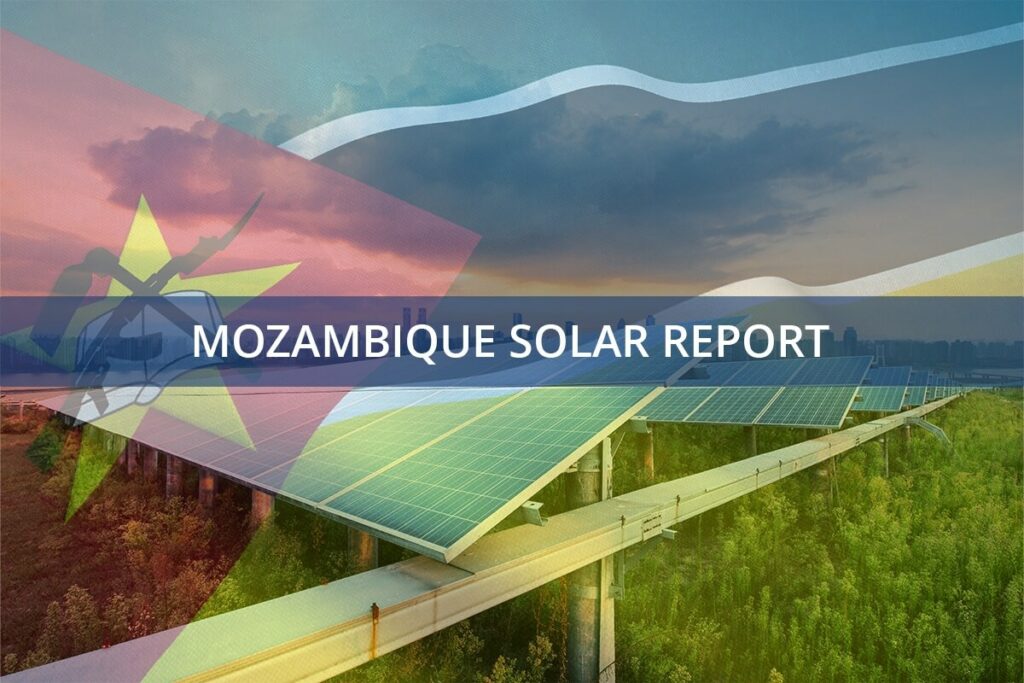
Mozambique is at a pivotal moment, harnessing its abundant solar resources to revolutionize its agricultural sector. Through strategic investments and collaborative efforts, the nation is laying the groundwork for a more sustainable, productive, and resilient farming future. Initiatives led by development agencies like Enabel are demonstrating that solar-powered irrigation is not just a concept, but a practical and profitable solution for local farmers.
RERD2+ Initiative: A Proven Model for Solar Irrigation Success
The effectiveness of this approach is powerfully illustrated by the Renewable Energy for Rural Development (RERD2+) project. With a significant investment of €22 million, this initiative has already made substantial impacts in the provinces of Nampula, Zambézia, and Manica. By electrifying rural areas and boosting agribusiness, the project has introduced solar irrigation systems that offer a remarkable payback period of just 2.5 to 3 years. This rapid return on investment underscores the economic viability of shifting away from costly and unreliable diesel-powered pumps.
The Economic and Environmental Advantages of Solar Irrigation in Mozambique
The transition to solar irrigation presents a dual benefit for Mozambican farmers. Economically, it drastically reduces dependency on diesel fuel, cutting operational costs and increasing profitability. Environmentally, it mitigates the carbon footprint of agricultural activities. While challenges such as climate-driven cost fluctuations persist, the move to solar power provides a buffer against volatile fuel markets and contributes to a cleaner energy mix. This aligns with Mozambique’s broader national goals of expanding its renewable energy capacity and fostering green growth.
Strategic Steps for Scaling Up Solar Irrigation Initiatives
Scaling these successes requires a multi-faceted approach. A key step involves strengthening the capacity of the private sector by supporting local service providers and reinforcing supply-demand chains, as seen in partnerships with companies like SolarOn!. Furthermore, building robust technical and agronomic infrastructure is crucial. Pilot projects, such as the installation of 3.1 kWp photovoltaic systems on 3.8-hectare plots in Boane, provide a tangible blueprint for adapting technology to local conditions. These systems effectively draw water from the Umbeluze River, demonstrating a practical application that can be replicated elsewhere.
Innovating Agriculture’s Future with Agrivoltaics in Mozambique
Looking ahead, the integration of agrivoltaics—the simultaneous use of land for both solar power generation and agriculture—offers transformative potential. Combining photovoltaic installations with irrigation on Mozambique’s fertile lands can yield triple benefits: clean energy production, enhanced crop yields through partial shading, and more efficient water use. This innovative strategy, supported by strong institutional collaboration between entities like Enabel and the National Irrigation Institute (INIR), is essential for maximizing land productivity and driving the future of sustainable farming in the region.
Sources
- €22 Million Project Strengthens Renewable Energy and …
- Impact of Climate Change on Cost and Cost Efficiency of Solar …
- Mozambique: Mopeia to have irrigation systems powered …
- Expert Guide on Agrivoltaics & Floating Photovoltaics in …
- Harnessing the sun – the companies leading the way in …
- Irrigation Challenges, Water Access, and Adaptation …
- Solar Irrigation Systems for Family Farming in the …
- Will Solar Be Mozambique’s Next Energy Revolution?
- Mobilising market potential to scale solar-powered …