Somalia Renewable Energy: Powering Forward with a New Framework
Somalia is significantly advancing its renewable energy sector with a new, unified national licensing system for mini-grids and other electricity providers. This pivotal initiative, supported by a $12 million grant from the World Bank as part of the Somalia Electricity Recovery Project, aims to formalize the energy market, improve access, and enhance reliability across the country. By establishing a clear legal framework under the National Electricity Authority (NEA), based on the 2023 Somali Electricity Act, the country is creating a more predictable and transparent environment for investment. This formalization is a critical step, much like the established energy regulations in countries like Germany, which foster consumer confidence and encourage private sector participation in clean energy.
Expanding Energy Access with the Somali Electricity Access Project (SEAP) through Somalia renewable energy
A key driver of this transformation is the Somali Electricity Access Project (SEAP), which is working diligently to enhance access to modern energy services in rural and peri-urban areas. Managed by the Ministry of Energy and Minerals, the project has ambitious targets: reaching up to 100,000 households, 250 community establishments, and 200 small businesses. The strategy focuses on deploying solar home systems (SHS) and creating 50,000 new connections through renewable energy mini-grids. The success of these solar installations relies heavily on the quality of the technology, which starts with understanding the basics of solar panel manufacturing and the components involved. The durability and efficiency of the panels are directly linked to the solar panel raw materials used in their construction, ensuring a long-term energy solution for these communities.
Building Capacity and Fostering Sustainable Growth in Somalia renewable energy
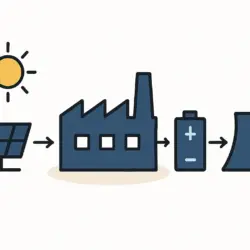
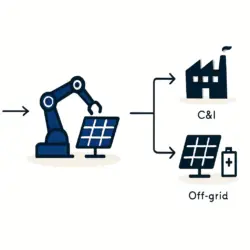
Beyond infrastructure, the project also focuses on developing the institutional capacity of the electricity ministry to effectively manage the burgeoning sector. This includes operating a $6 million results-based grant program designed to promote the integration of renewable energy and battery storage solutions within the mini-grids. This approach ensures long-term sustainability. The entire solar panel manufacturing process is a complex chain, from sourcing materials to final assembly using sophisticated solar panel manufacturing machines. Understanding the overall solar panel manufacturing plant cost breakdown helps stakeholders appreciate the investment required to build a local supply chain and make solar power more affordable. This strategic investment in both technology and governance, supported by partners like the UNDP and the Africa Minigrids Program (AMP), is paving the way for a resilient and self-sufficient energy future in Somalia.
To learn more about the fundamentals of solar energy and its production, you can explore our free e-course on the topic.