Somalia aims to achieve 50% renewable energy usage by 2028, a goal that forms a core part of its commitment to the African Union’s Agenda 2063. This ambitious target, confirmed by Energy and Water Resources Minister Abdullahi Bidhan Warsame, specifically involves halving the country’s reliance on imported fuel for electricity generation. This initiative underscores Somalia’s dedication to sustainable energy and a profound economic transformation.
A Major Shift Towards Somalia renewable energy
Currently, Somalia’s energy sector is overwhelmingly dependent on imported fossil fuels, primarily diesel, which are both costly and environmentally damaging. The government’s new strategy focuses on a decisive shift towards renewable energy sources, with a major expansion of solar photovoltaic (PV) systems at its heart. This transition is expected to reduce carbon emissions, lower energy costs, and provide more reliable and widespread energy access to the population.
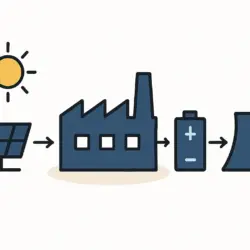
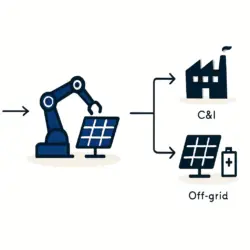
The country’s renewable energy potential is immense, with some of the highest solar irradiation and wind power potential in Africa. A key part of this plan involves understanding the basics of solar panel manufacturing to build local capacity. Exploiting these resources through a well-managed solar panel manufacturing process could significantly decrease the need for imported fuels and contribute meaningfully to global efforts to combat climate change.
Economic and Environmental Benefits of Somalia renewable energy
The transition to renewable energy is expected to bring several powerful economic benefits. Lower energy costs will make electricity more affordable for households and businesses, stimulating economic growth and insulating the economy from volatile global oil prices. Additionally, the renewable energy sector is anticipated to create thousands of jobs, particularly in rural areas where unemployment rates are high. This includes roles in installation, maintenance, and potentially the local assembly of components, which requires a steady supply of solar panel raw materials.
Environmentally, the shift to renewables will significantly reduce Somalia’s carbon footprint. By cutting down on fossil fuel usage for electricity generation, the country will contribute to global efforts to mitigate climate change. This move aligns with international commitments such as the Paris Agreement, which aims to limit global warming.
Challenges and Solutions for Somalia renewable energy
Despite the immense potential, Somalia faces several significant challenges in achieving its renewable energy goals. The country’s energy infrastructure is underdeveloped, and attracting the necessary investment remains a primary obstacle. A detailed understanding of the solar panel manufacturing plant cost breakdown is crucial for potential investors. Furthermore, a lack of local technical expertise in renewable energy technologies, from project execution to the maintenance of sophisticated solar panel manufacturing machines, poses a significant hurdle.
To overcome these challenges, the Somali government is actively pursuing several initiatives. It is collaborating with international partners to attract foreign direct investment and secure technical assistance for the renewable energy sector. Concurrently, the government is investing in education and training programs to develop a skilled local workforce capable of managing and sustaining these new energy systems.
The Path Forward for Somalia renewable energy
The Somali government is optimistic about achieving its goal of halving imported fuel reliance by 2028. With robust international support and a strong national commitment to sustainable development, the country is well-positioned to become a leader in renewable energy in the Horn of Africa.
Beyond the environmental advantages, this shift is expected to dramatically improve the resilience of Somalia’s energy sector. Locally generated renewable energy is not vulnerable to global supply chain disruptions or market fluctuations, ensuring a more stable, secure, and reliable energy supply for the country’s future.
Global Implications of Somalia renewable energy
Somalia’s determined effort to transition to renewable energy has important global implications. By significantly reducing its carbon footprint, the country can make a valuable contribution to global climate change mitigation efforts. Moreover, the success of Somalia’s renewable energy transition could serve as a powerful and replicable model for other developing nations in the region and beyond. Its progress may even offer insights for neighboring countries, such as those detailed in the Ethiopia Solar Panel Manufacturing | Market Insights Report.
The Somali government is confident that its renewable energy goals are achievable and believes that the benefits of this transition will be felt not only by its citizens but also by the global community. By 2028, Somalia aims to be a beacon of renewable energy in the region, contributing to a more sustainable and resilient global energy system.
To learn more about the intricacies of entering the solar energy sector, consider exploring this free e-course on solar panel manufacturing.