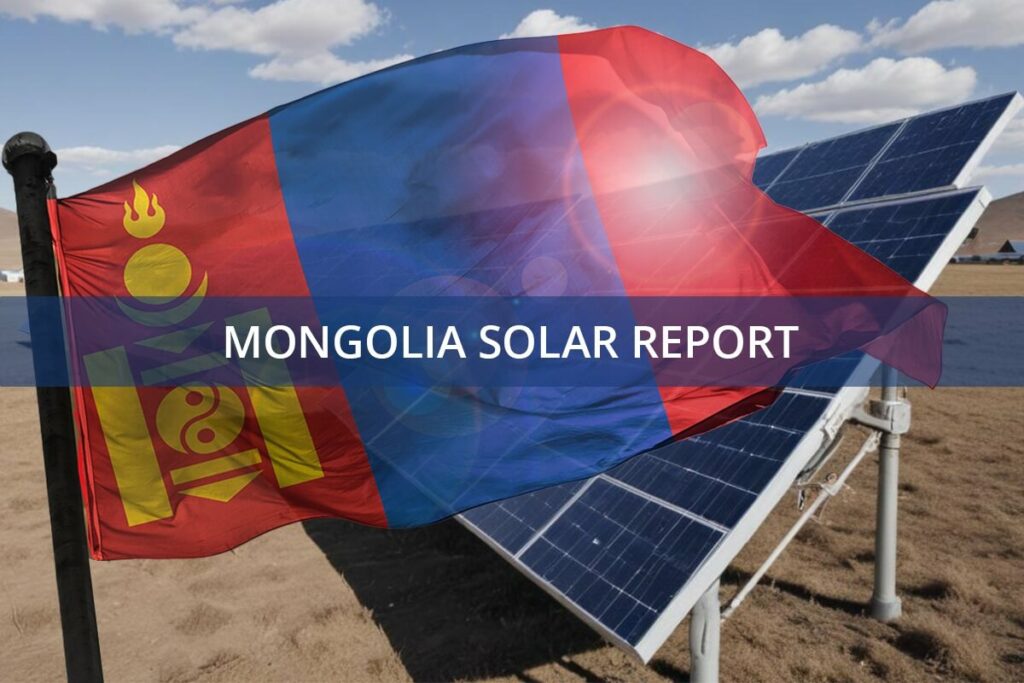
In the water-scarce expanse of the Gobi Desert, a pioneering 2024 project is tackling one of solar energy’s most persistent challenges: keeping panels clean without a drop of water. Frequent dust and sand accumulation, known as soiling, can severely diminish electricity generation. This initiative champions waterless technologies as a sustainable solution to unlock the region’s immense solar potential, addressing a critical operational hurdle in arid environments.
The Gobi project is a key example of a rapidly growing global trend. The market for rail-mounted photovoltaic cleaning robots was valued at $139 million in 2024 and is forecast to expand to $429 million by 2032, driven by a compound annual growth rate of 17.7%. According to market analysis, dry cleaning systems currently dominate the sector, underscoring the high value placed on water conservation in utility-scale solar maintenance.
This technology is already proven at a massive scale in some of the world’s largest solar farms. The Noor Abu Dhabi facility in the UAE, for example, successfully deploys 1,430 waterless robots to clean its 3.3 million solar panels. Similarly, China’s Golmud Solar Park maintains its 7.2 million panels across 80 different plants using comparable water-free methods, proving the technology’s effectiveness and scalability for major energy infrastructure.
Innovations honed in such extreme conditions often pave the way for mainstream applications. The need for durable, self-maintaining systems in the desert drives improvements across the entire solar panel manufacturing process, from the purity of solar panel raw materials to the sophistication of solar panel manufacturing machines. While a homeowner in Germany may not face sandstorms, issues like pollen, urban grime, and water restrictions during dry spells present similar challenges. The automated, waterless robots perfected in the Gobi could soon become an affordable, efficient solution for residential and balcony solar systems in Europe and beyond.
Understanding the basics of solar panel manufacturing clarifies why a clean surface is non-negotiable for peak performance. The significant investment reflected in the solar panel manufacturing plant cost breakdown for such large-scale projects accelerates technological progress that ultimately benefits all consumers. The Gobi project is more than a regional solution; it’s a vital step toward making solar power more resilient, efficient, and universally adaptable. To learn more about the engineering behind this revolution, explore this comprehensive free e-course on solar panel manufacturing.
Sources for Waterless solar cleaning: Unique Gobi Desert 2024 Project
- Conservation news on Deserts
- Railmounted PV Cleaning Robot Market Outlook 2025-2032
- The 9 largest solar farms in the world [2026]