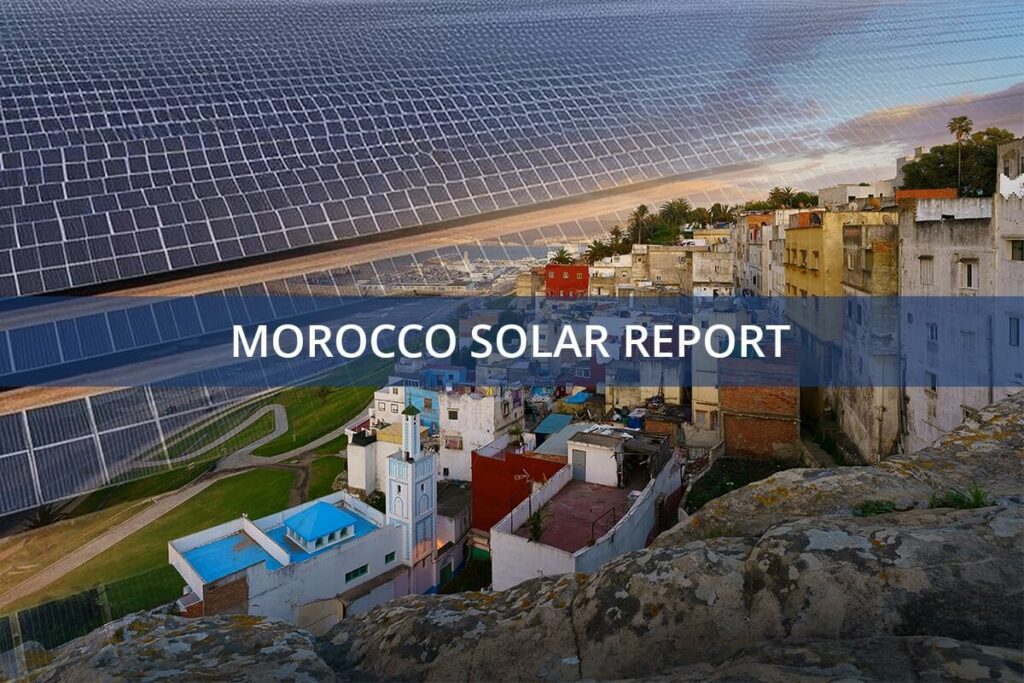
Morocco is investing $800 million to build a polysilicon plant in Tan-Tan, which will be the first of its kind in Africa. This project will create approximately 1,500 direct jobs and use cutting-edge technology to produce polysilicon for solar energy applications.
First Morocco polysilicon solar Plant in Africa
Morocco is set to become the first African country to produce polysilicon, a critical component in the solar energy supply chain. The government has announced a landmark $800 million (approximately MAD 8 billion) investment agreement to establish a new polysilicon plant in Tan-Tan, marking a major milestone for the continent’s renewable energy sector.
The project will be built in partnership with Advanced Metal Industries Cluster Co. Ltd. (AMIC), a Saudi company, and is expected to create 1,500 direct jobs and over 2,000 indirect jobs. The facility will produce polysilicon, one of the essential solar panel raw materials for manufacturing photovoltaic (PV) panels. As the purest form of silicon, polysilicon is the foundational element for creating the silicon wafers that become the photovoltaic cells in solar panels, which convert sunlight directly into electricity. This initiative provides a fascinating look into the basics of solar panel manufacturing. The plant will produce both metallurgical-grade silicon and the high-purity polysilicon required for efficient solar cells.
The Investment and its Impact on Morocco polysilicon solar
The $800 million investment underscores Morocco’s deep commitment to renewable energy and its ambition to become a key player in the global energy market. This figure represents a significant capital outlay, and for those interested in the financial side of such ventures, it’s worth exploring a typical solar panel manufacturing plant cost breakdown. The country has already made significant strides in solar energy with world-renowned projects like the Noor Solar Complex. This new polysilicon plant will further solidify Morocco’s position as a renewable energy leader in Africa.
The facility is crucial for supporting Morocco’s ambitious energy goals, which include generating 52% of its electricity from renewable sources by 2030. By producing polysilicon locally, Morocco can significantly reduce its reliance on imports, insulate its domestic solar industry from global supply chain volatility, and potentially lower the overall cost of solar energy production. This move not only benefits Morocco but also has implications for international markets. For homeowners and tenants in Germany, for example, a more diversified global supply chain for solar components can lead to greater price stability and availability of solar panels, supporting the country’s own energy transition goals.
A Strategic Partnership with Saudi Arabia for Morocco polysilicon solar
The plant is a cornerstone of a broader strategic partnership between Morocco and Saudi Arabia. The two nations have been collaborating to strengthen economic ties and accelerate renewable energy development in the region. The partnership with AMIC is a key component of this effort and aligns with both countries’ strategic objectives.
Furthermore, the polysilicon plant is a strategic piece of Morocco’s plan for the industrial development of its southern regions. It also aligns with the nation’s broader efforts to reduce its carbon footprint and combat climate change. By building a robust domestic renewable energy supply chain, Morocco can decrease its dependence on fossil fuels and lower its greenhouse gas emissions, reinforcing its commitments under the Paris Agreement.
Cutting-Edge Technology for Morocco polysilicon solar
The new polysilicon plant will leverage advanced technology to produce high-quality polysilicon efficiently and sustainably. The complete solar panel manufacturing process is complex, and producing the initial polysilicon is one of the most technically demanding and energy-intensive stages.
The facility will utilize state-of-the-art solar panel manufacturing machines and processes to ensure the production of metallurgical-grade silicon and high-purity polysilicon meets global standards. The use of modern technology is critical to making the plant cost-effective, efficient, and environmentally responsible, which is vital as Morocco works towards its goal of becoming a carbon-neutral economy.
A Boost for Morocco’s Solar Industry with Polysilicon
The establishment of this polysilicon plant is a transformative event for Morocco’s renewable energy sector. It will provide a stable, domestic supply of a crucial material for its growing solar industry, fostering greater self-sufficiency. This is a significant step forward not only for Morocco but for Africa as a whole, as the continent strives to harness its abundant renewable energy resources.
The plant is expected to begin production in the coming years and will play a pivotal role in Morocco’s journey to becoming a global leader in renewable energy. With the support of its international partners and a firm commitment to sustainable development, Morocco is well-positioned to achieve its energy goals and help lead the global transition to a cleaner energy future.
To dive deeper into the world of solar energy production, consider exploring our free e-course on the topic.