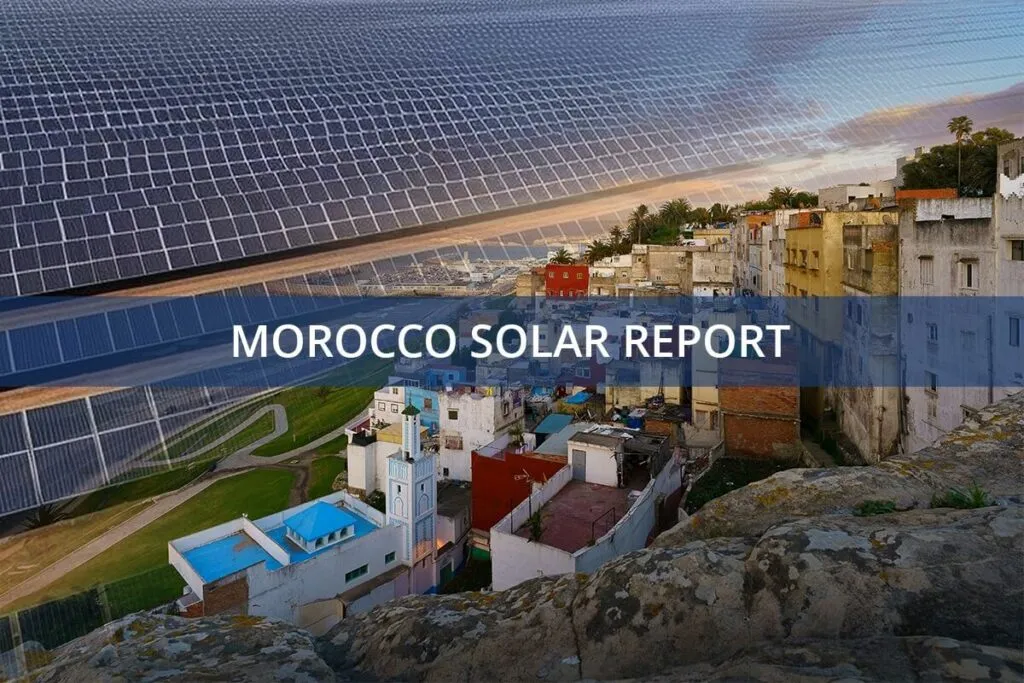
Morocco is on an ambitious path to triple its renewable energy capacity, aiming for over 15 gigawatts (GW) by 2030. With 5.6 GW already installed and another 3.3 GW in progress, this initiative is a cornerstone of Morocco’s strategy to champion clean energy and carve out a significant role in the burgeoning global green hydrogen market.
Investment in Morocco renewable energy Projects
Morocco is set to channel massive investment into its green future, with plans to allocate MAD 110 billion (approximately $10.6 billion) for renewable energy projects by the end of the decade. This financial commitment is part of a broader, officially stated strategy within the country’s updated Nationally Determined Contribution (NDC 3.0). The goal is to elevate the share of renewables in the nation’s energy mix to 52% by 2030 and a remarkable 80% by 2050, aligning with a target to slash greenhouse gas emissions by 53% by 2035.
The country’s current operational capacity of 5.6 GW is just the beginning. To support this rapid expansion, Morocco is also investing heavily in crucial infrastructure. This includes strengthening its power grids and developing large-scale energy storage solutions, such as a planned 350 MW pumped-storage hydropower plant and a 1,500 MW battery storage program. Such a comprehensive approach, which includes understanding the solar panel manufacturing plant cost breakdown, is essential for grid stability.
Of the 8.3 GW of new capacity planned by 2027, 4.3 GW will be dedicated to green hydrogen production, while the remaining 4 GW will feed into the national electricity grid. This new energy will power the country and new industries, including a planned 500 MW data center that will run entirely on renewable energy. Morocco’s push is driven by its abundant solar and wind resources, which are central to the basics of solar panel manufacturing and wind turbine deployment. This transition will reduce reliance on fossil fuels and contribute significantly to global climate action.
Green Hydrogen: A Strategic Focus for Morocco renewable energy
Green hydrogen is a key pillar of Morocco’s renewable energy strategy. The nation has set a bold target to capture 4% of the global green hydrogen market by 2030. This ambition is backed by major undertakings, including a 4 GW green hydrogen project in the Guelmim-Oued Noun region and the 3.2 GW Xlinks project, which aims to export power to the UK.
These projects are designed to position Morocco as a leader in a market poised for explosive growth as countries worldwide seek to decarbonize their economies. The entire solar panel manufacturing process, from sourcing solar panel raw materials to final assembly, will be scaled up to meet the energy demands of these hydrogen plants.
To foster this new sector, Morocco’s national strategy for green hydrogen includes a robust legal and institutional framework. In 2021, the country established the National Commission for Green Hydrogen to steer the strategy and ensure its ambitious targets are met. The government is also stimulating investment through fiscal measures like tax incentives and subsidies, making the sector attractive to both domestic and international investors.
International Partnerships in Morocco renewable energy
Morocco’s green ambitions have not gone unnoticed on the world stage, attracting significant interest from international partners. The country has signed several memoranda of understanding (MoUs) with European nations, including Germany, Portugal, and the Netherlands, to collaborate on green hydrogen development.
For homeowners and businesses in Germany, these partnerships are particularly relevant. They are expected to facilitate large-scale green hydrogen production in Morocco and open up export channels to Europe. This provides a vital opportunity for countries like Germany to diversify their energy imports, reduce reliance on fossil fuels, and meet their own climate targets with a stable supply of clean energy.
Beyond hydrogen, the country continues to invest in a diverse portfolio of solar and wind power to ensure its energy security. The development of these projects, powered by advanced solar panel manufacturing machines, is projected to create thousands of skilled jobs and spur sustainable economic growth.
Morocco’s ambitious plans are a clear testament to its commitment to sustainable development. By leveraging its natural advantages and fostering international cooperation, Morocco is positioning itself as a key player in the global energy transition.
If you are interested in learning more about the intricacies of solar technology and how it’s shaping our world, consider enrolling in our free e-course on solar panel manufacturing.