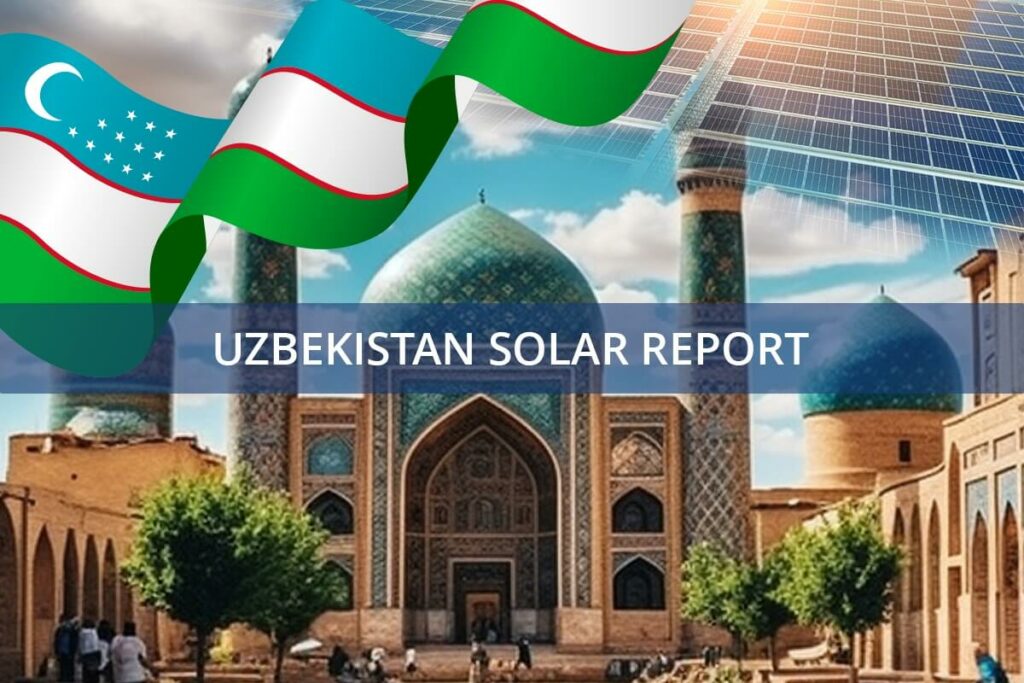
Uzbekistan is launching a landmark initiative to develop two large-scale solar power plants, each with a capacity of 500 MW, in the Samarkand region. This major step aims to enhance the country’s renewable energy infrastructure and includes innovative energy storage systems to stabilize the national power supply.
Samarkand’s Gigawatt Leap: Powering Nearly 1.5 Million Homes with Uzbekistan solar energy
The Ministry of Energy of Uzbekistan has announced plans to construct two major solar power plants in the Samarkand region, officially named Sazagan Solar 1 and 2. Each plant will have a formidable capacity of 500 MW, contributing a combined 1 GW of clean energy to the grid. These projects are a cornerstone of a broader initiative to expand the country’s renewable energy infrastructure and reduce dependency on fossil fuels.
Crucially, the solar plants will be accompanied by substantial battery energy storage systems. Each facility will be equipped with a 334 MW storage system, providing a combined storage capacity of 668 MW across both projects.
The solar power projects are expected to generate approximately 2,856 GWh of electricity annually, enough to supply nearly 1.5 million homes. This significant increase in renewable energy capacity will play a crucial role in Uzbekistan’s efforts to transition to a more sustainable energy system.
The Ministry of Energy has pre-qualified nine foreign companies to participate in the tender for these projects. The tender process, conducted in collaboration with international partners like the European Bank for Reconstruction and Development (EBRD), aims to ensure transparency and competitiveness. The pre-qualified companies include major industry players such as ACWA Power, EDF Renewables, and Masdar.
Boosting Renewable Energy Capacity with Uzbekistan solar energy
The addition of 1 GW of solar power capacity will significantly boost Uzbekistan’s renewable energy portfolio. In 2023, the country’s renewable energy capacity reached 1.7 GW, with solar power accounting for 1.2 GW. The new Samarkand projects will nearly double the current solar capacity, bringing the total to over 2.2 GW once completed.
These projects are part of Uzbekistan’s ambitious energy strategy, which aims to develop 7 GW of solar power and 5 GW of wind power by 2030. The government’s focus on renewable energy is driven by the need to diversify the energy mix, reduce greenhouse gas emissions, and ensure long-term energy security. Achieving such a large-scale rollout requires a deep understanding of the basics of solar panel manufacturing and supply chains.
Role of Energy Storage in Stabilizing the Grid for Uzbekistan solar energy
The inclusion of large-scale energy storage systems is a critical component of Uzbekistan’s renewable energy strategy. The combined 668 MW from the two 334 MW systems will help stabilize the grid by storing excess energy generated during peak sunlight hours and releasing it during evenings or periods of high demand.
Energy storage is essential for integrating intermittent renewable sources like solar power into the grid. By storing energy, Uzbekistan can ensure a reliable and consistent power supply even when the sun is not shining. This capability is vital for maintaining grid stability and meeting the country’s growing energy demand.
Support from International Financial Institutions for Uzbekistan solar energy
The success of Uzbekistan’s renewable energy projects is bolstered by strong support from international financial institutions. The European Bank for Reconstruction and Development (EBRD) has played a significant role, having already financed several solar power projects in the country, including plants in Samarkand and Navoi.
In addition to the EBRD, the Asian Development Bank (ADB) is a key partner in these new projects, providing partial risk guarantees alongside the Ministry of Economy and Finance and ACWA Power. This collaborative financial backing demonstrates robust international and domestic commitment, helping to mitigate investment risks for private sector participants and underscoring a successful public-private partnership model.
Government Commitment to Renewable Energy and Uzbekistan solar energy
Uzbekistan’s government has demonstrated a strong and clear commitment to developing renewable energy. The Ministry of Energy has outlined a comprehensive strategy to increase the share of renewables in the country’s energy mix. This strategy includes not only the development of solar and wind power plants but also the modernization of the national grid and the implementation of energy efficiency measures. The complexity of this vision extends to understanding the entire value chain, from sourcing solar panel raw materials to final energy delivery.
The government’s focus on renewable energy is part of a broader effort to diversify the economy and reduce reliance on fossil fuels. By investing in clean energy, Uzbekistan aims to position itself as a leader in sustainable development in Central Asia.
The construction of the new Sazagan Solar 1 and 2 plants is a significant milestone in Uzbekistan’s renewable energy journey. These projects will contribute to a cleaner energy future for the country while also creating jobs and stimulating economic growth. As Uzbekistan continues to expand its renewable energy capacity, it is paving the way for a greener and more resilient energy system.
To learn more about the intricacies of bringing solar energy projects to life, from initial concept to full-scale production, explore our free e-course.